WeChat Official Account
WeChat Official Account
 APP Download

Scan the QR code Download the STEM STAR APP
With the rapid development of artificial intelligence, more and more children are beginning to learn Python programming. Some children even start to learn Python from the second or third grade.
STEM STAR has found that many Python courses available in the market do not align with children's developmental characteristics and cognitive levels. Moreover, current Python courses primarily focus on software programming and do not cover hardware applications.
Against this backdrop,STEM STAR's newly upgraded Python AI course brings revolutionary Python learning to students, introducing them to artificial intelligence!
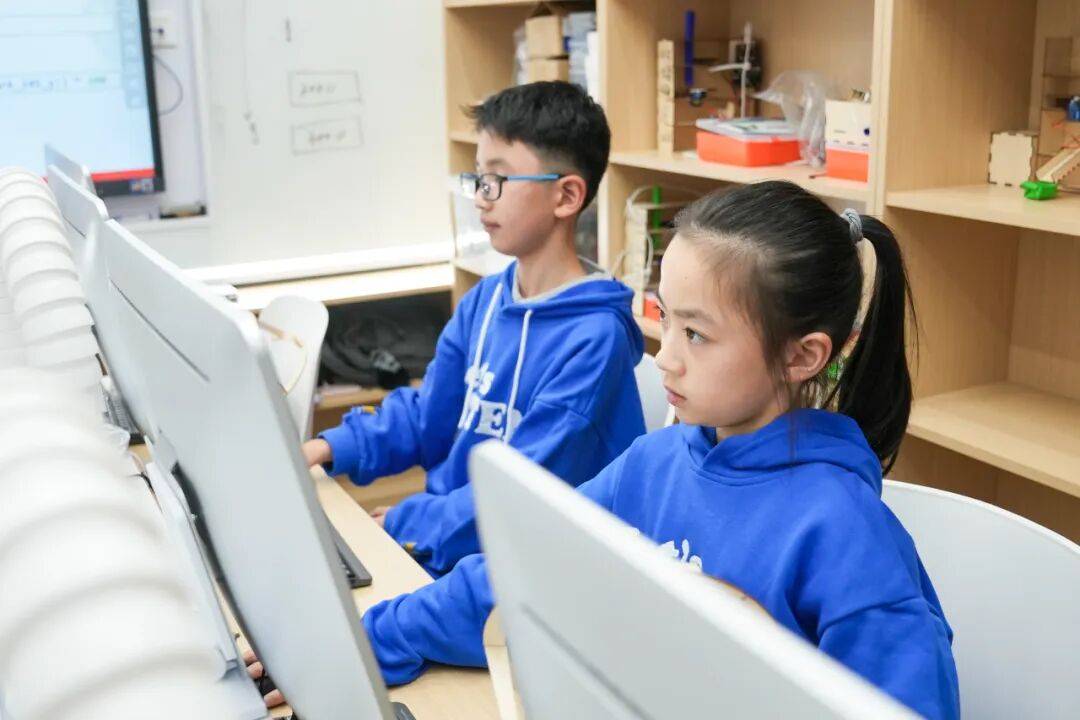
Let's take a look at what highlights there are in STEM STAR's Python AI course
01 What distinguishes the STEM STAR Python AI course?
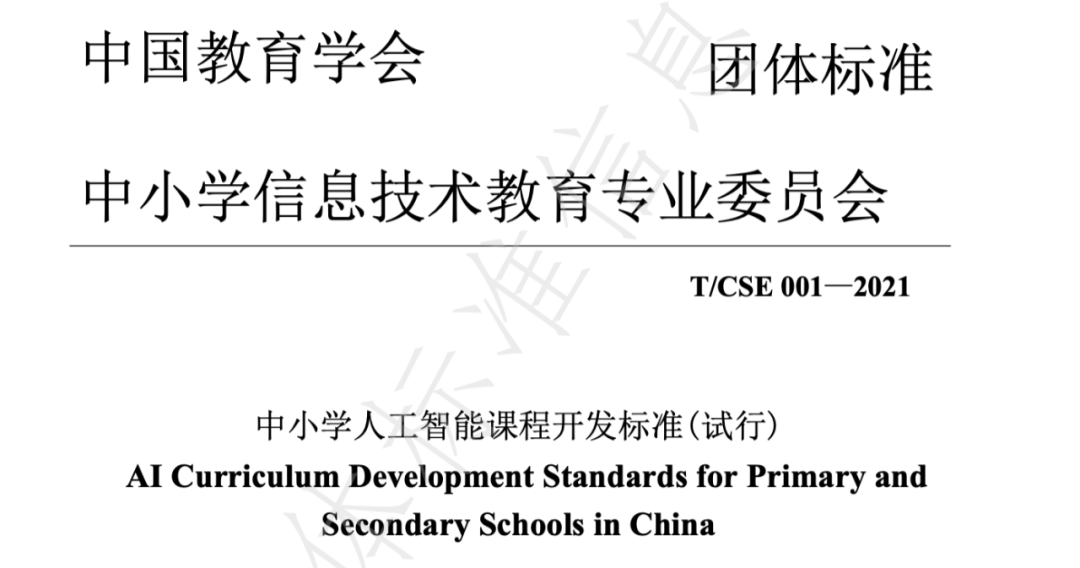
The STEM STAR course Python AI is suitable for children aged 9-14, with a total of 4 stages,Fully refer to the national AI curriculum design standards and proceed step by step.
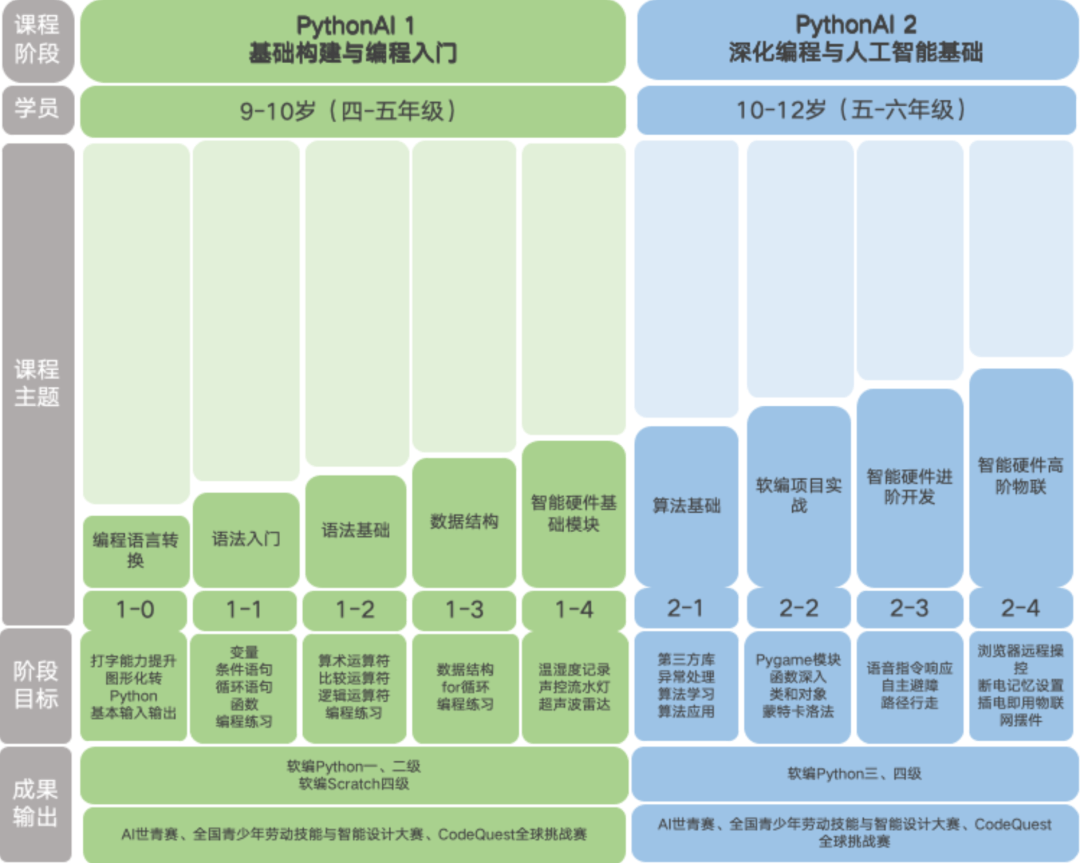
 ▲STEM STAR Python AI Course Outline
We adhere to the educational philosophy of "teaching for understanding, learning for innovation", allowing children to become the protagonists of the classroom and actively explore and investigate on their own initiative.
Unlike traditional Python programming courses, in the STEM STARPython AI class,Children will learn the application of smart hardware using Python programming as a tooland carry out project creation.
At each stage, the children will have their works exhibited.As learning progresses and projects progress, children will learn to combine hardware and software to solve practical problems!
It is worth mentioning that,The series of 40 hardware kits utilized in the Python AI course are all independently developed and customized by STEM STARIt boasts more powerful functions, cutting-edge technology, and enhanced scalability.
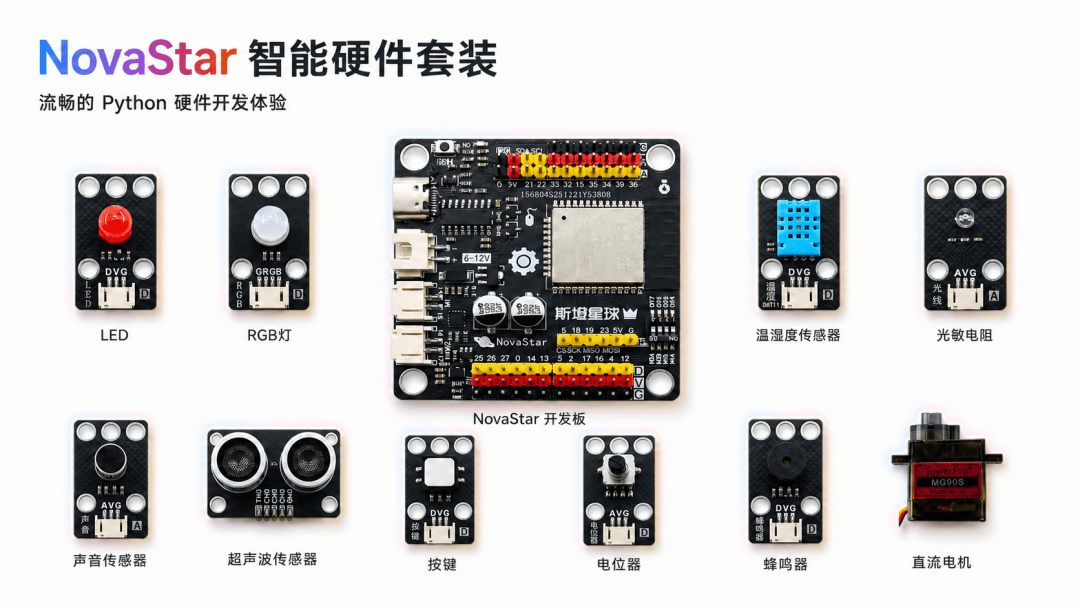
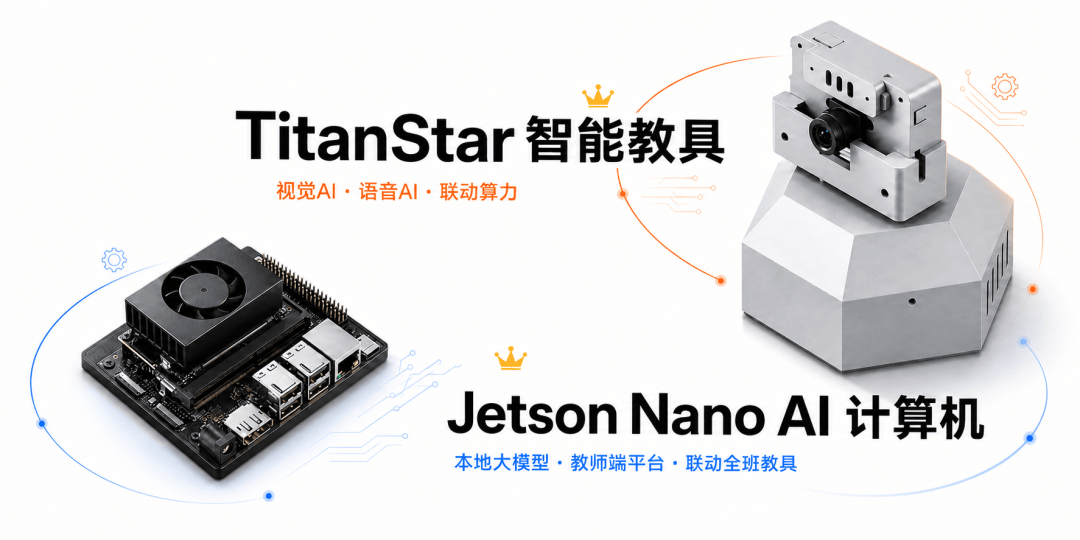
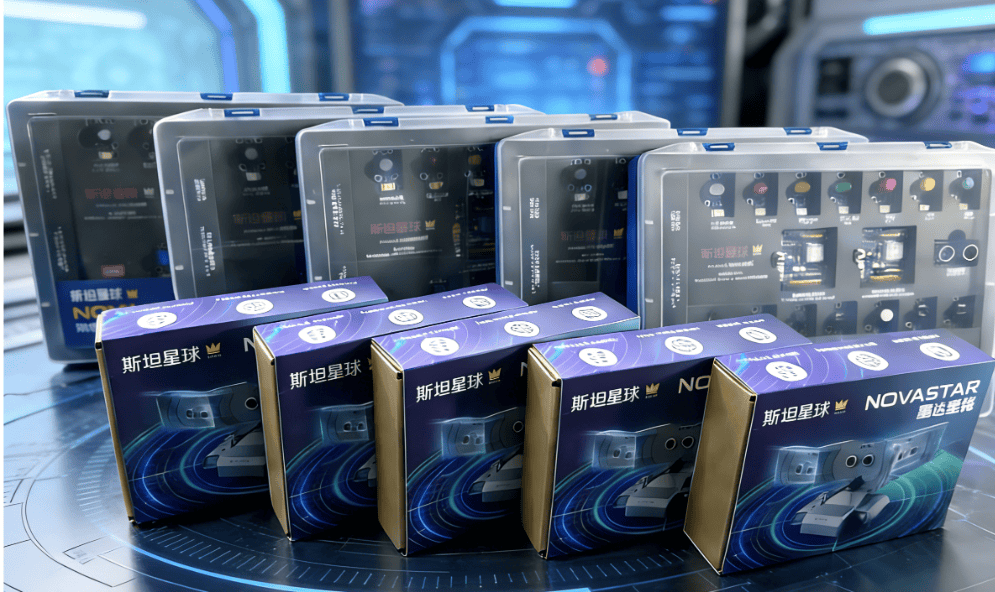 ▲Display of some self-developed hardware
Overall, the Python AI course for artificial intelligence has the following highlights:
⭐Python & Artificial Intelligence, combining software and hardware
⭐From principle to practical output, growth is visible
⭐PBL project-based learning, interdisciplinary knowledge system
Such courses are more practical and interesting for children, and they can master more comprehensive abilities and acquire more comprehensive knowledge. When participating in competitions, the perspectives they consider and the dimensions of their thinking will also become broader and deeper, with obvious advantages!
Next, let's take a look at what Python AI actually learns?
02 What does the Python AI 1 course cover?
Getting started with Python is relatively simple, making it suitable for learning from the age of four.At this stage, children have already developed certain mathematical and logical thinking skills, enabling them to better understand and apply programming knowledge.
Meanwhile, fourth-grade children also possess stronger abilities and perseverance for continuous learning, enabling them to achieve better results in programming learning.
The STEM STAR Python AI 1 course places greater emphasis on the study of software programming, with a focus on laying a solid foundationThrough gamified cognitive teaching and the integration of software and hardware, children can understand Python through tasks and real-life applications.
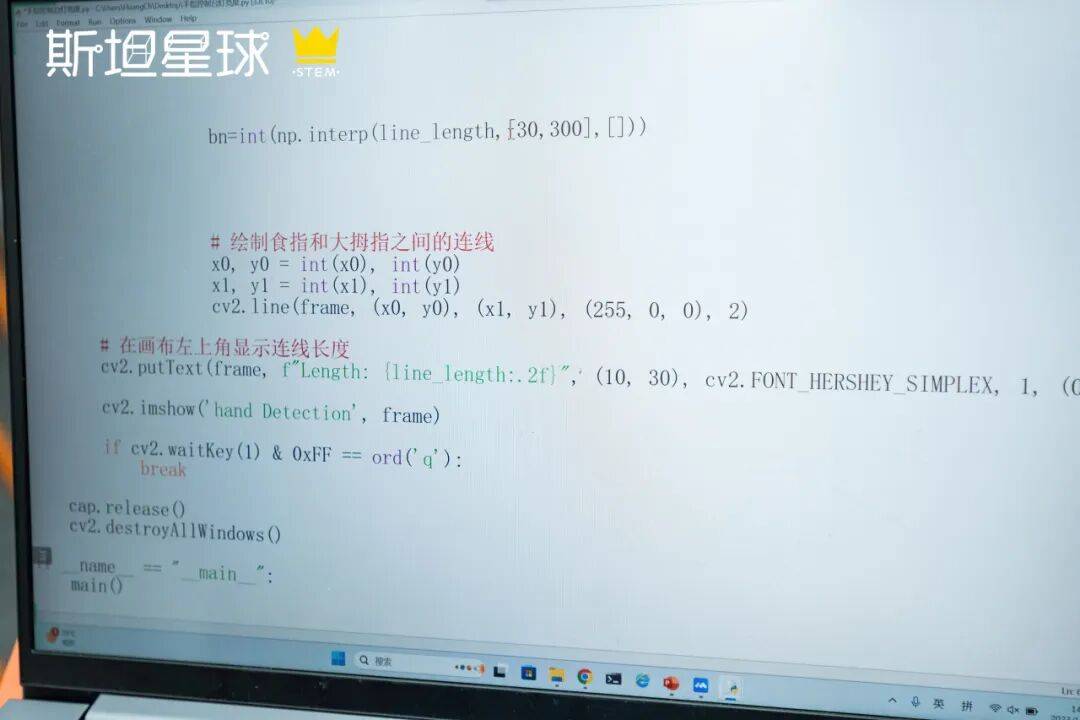

We have designed a scientific and comprehensive curriculum system for Python AI courses.From Python syntax introduction and basics, to Python data structures, and then to learning about smart hardware and basic modules.
Through a gamified learning platform, students can efficiently grasp the logic and skills of the Python programming language, and gain an initial understanding of smart hardware and the application of Python programming and AI sensor development in comprehensive projects.
Five stages, 126 class hours
In the first two stages of Python beginner level
The trainees will learn 168 knowledge points
Learn through CODECOMBAT's level-based learning
Let children operate and practice what they have learned
Stimulate their scientific and technological innovation ability!
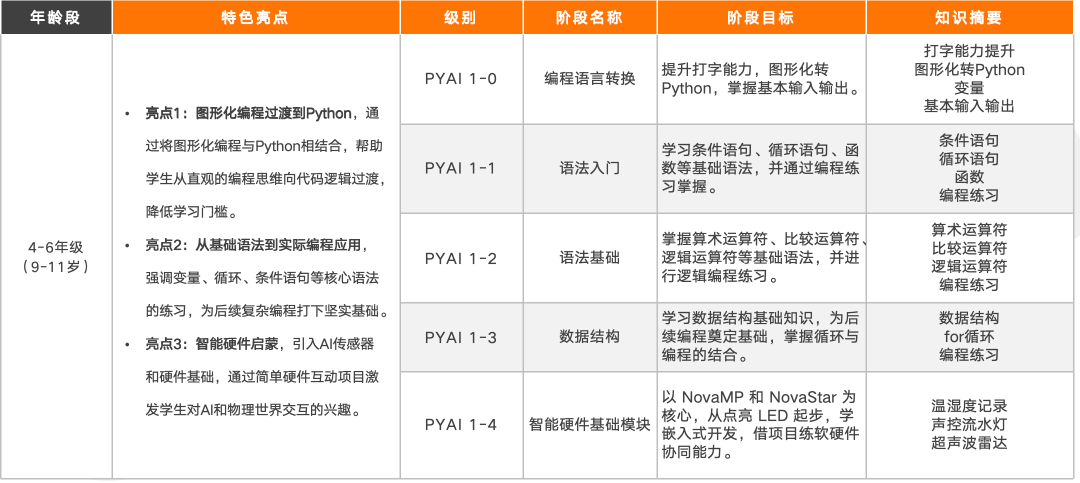 ▲Python AI 1 Course Outline
For each course, there will bePython syntax knowledge, smart hardware, principles of artificial intelligence technology, and expanded knowledge(Including mathematics, physics, statistics) and other related content, integrating interdisciplinary knowledge allows children to establish diverse knowledge connections, acquire more comprehensive knowledge, and master more integrated abilities!
Python AI 1 Course Setup
① Python AI 1-0 programming language conversion
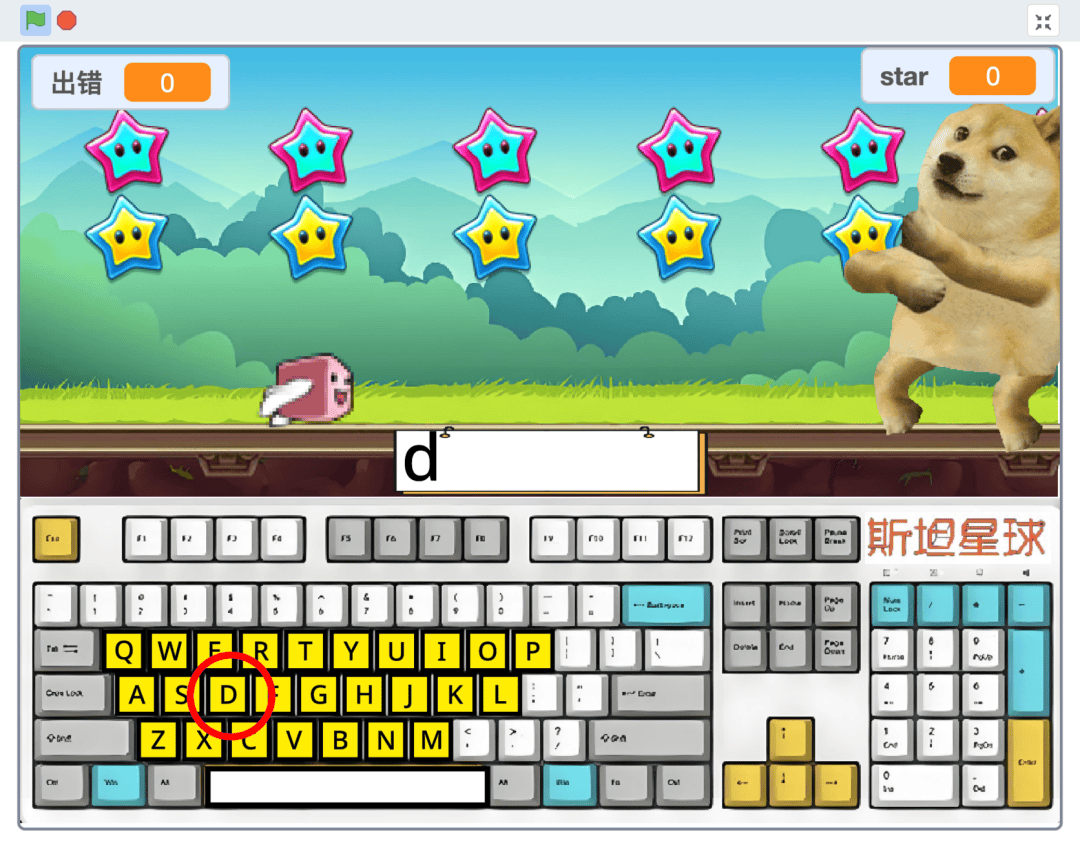
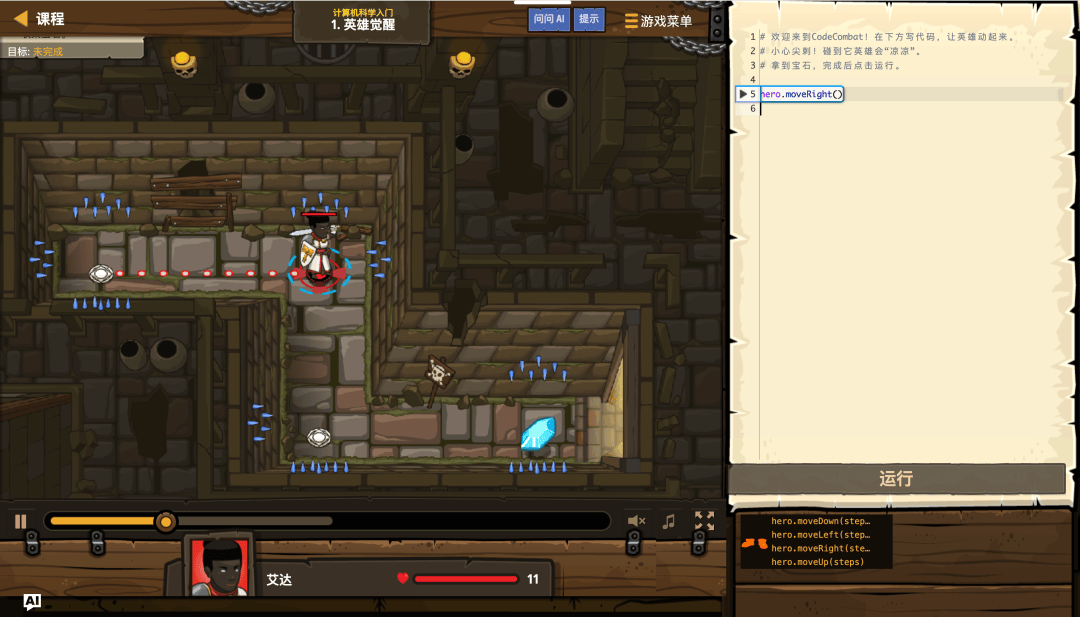
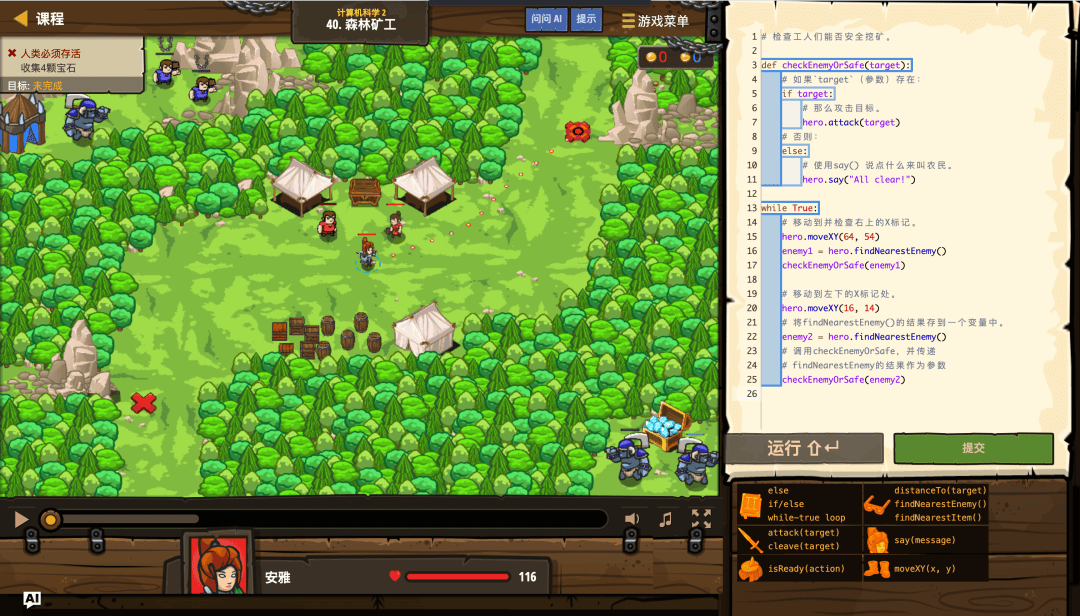
Students will transition from graphical programming (Scratch) to pure software programming (Python). By creating typing practice tools and other comprehensive Scratch projects, they will consolidate their graphical programming skills. At the same time, with the help of the CodeCombat level-based learning platform, they will naturally transition to Python programming in a fun game-like environment. This stage covers the basic syntax of Python, including core concepts such as variables, conditional statements, and loop statements, helping students establish a preliminary understanding of Python programming and laying a solid foundation for further in-depth learning.
② Python AI 1-1 Introduction to Syntax
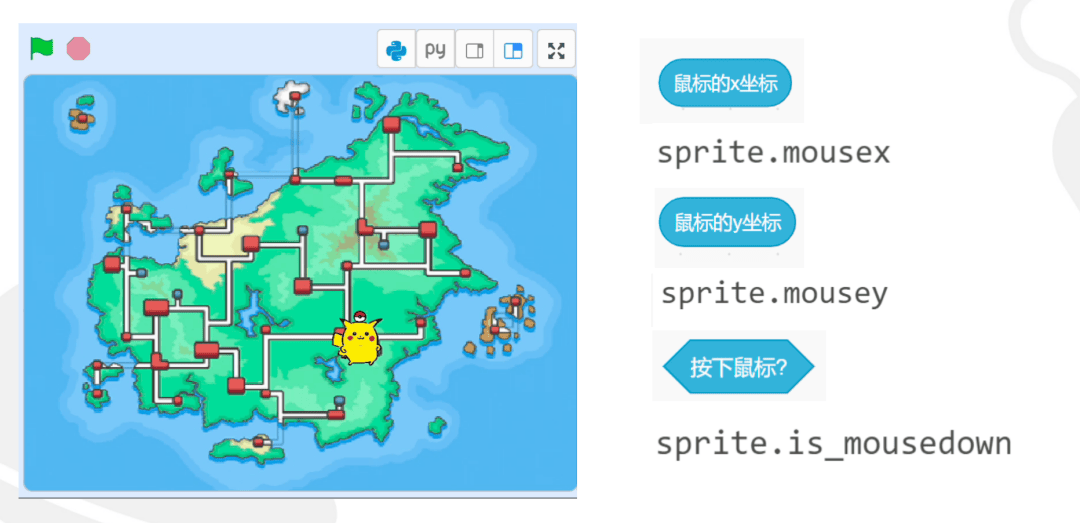
Students will delve into the core syntax of Python, including custom functions, parameter passing, event handling, string operations, arithmetic operators, and relational operators. Through CodeCombat's level-based learning combined with project creation on the STEM STAR programming platform, students will master programming skills such as function definition and calling, data type conversion, and collision detection in real-world scenarios, cultivating logical thinking and problem-solving abilities.
③ Python AI 1-2 Syntax Basics
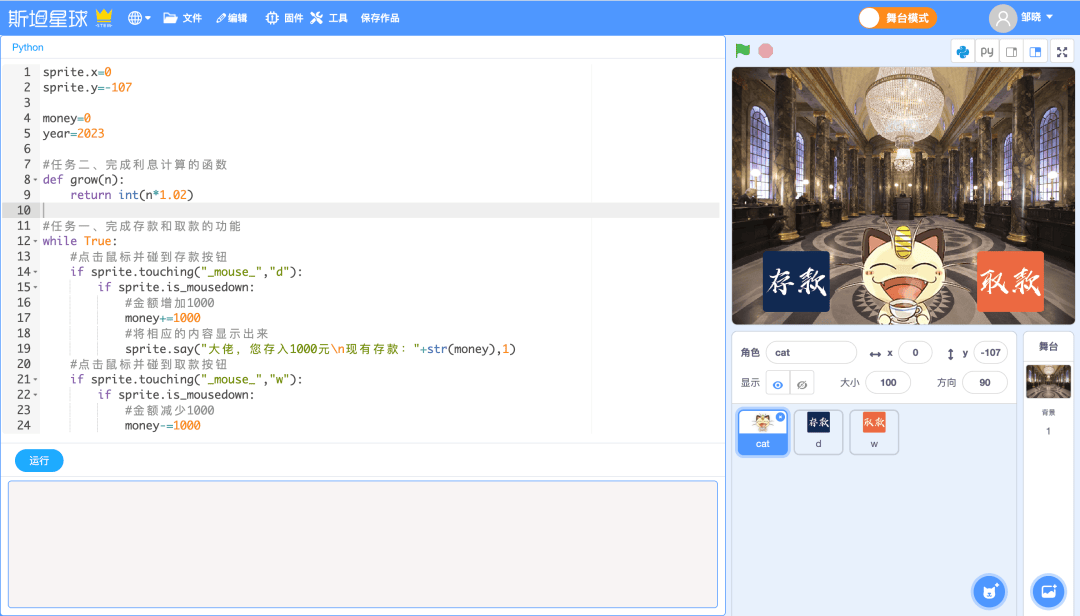
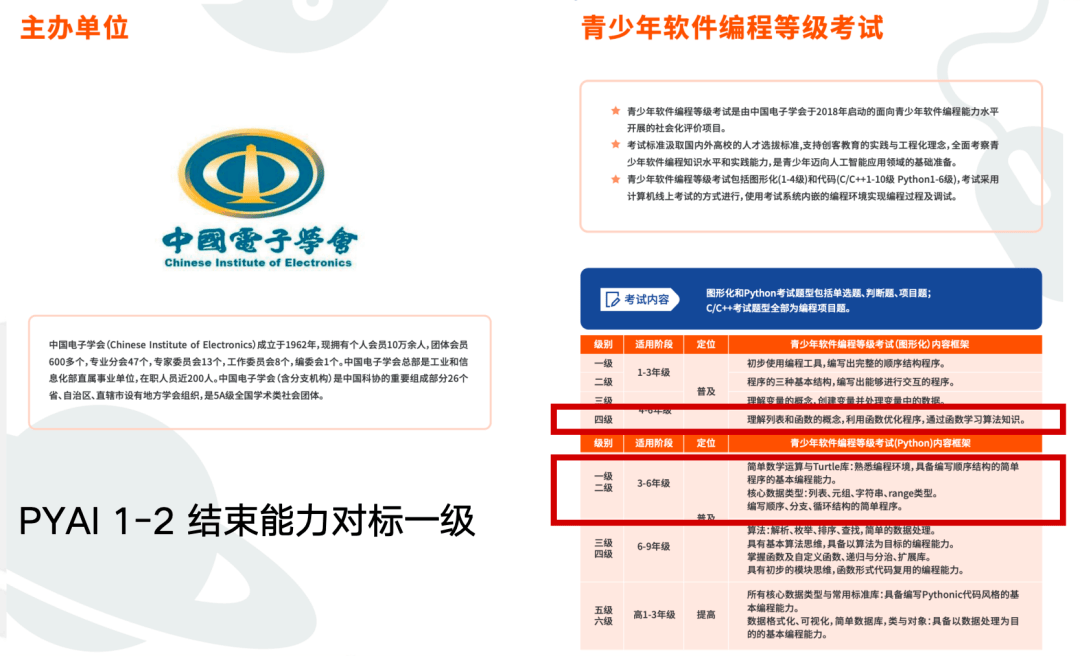
Students will learn advanced syntax knowledge such as function return values, logical operators (and/or/not), assignment operators, in-depth string processing, and dictionaries. This stage also includes preparation content for the Python Level 1 exam, covering programming environment, Turtle graphics, real exam practice, etc., to help students acquire the ability to participate in the Python Level 1 exam for youth software programming.
④ Python AI 1-3 Data Structures
Students will learn important data structures in Python, such as lists, two-dimensional lists, and dictionaries, as well as control structures like for loops, range functions, and nested loops. This stage focuses more on cultivating students' practical programming skills, with projects on the STEM STAR programming platform as the main focus, supplemented by CodeCombat challenges as additional practice. Additionally, students can participate in algorithm competitions during the last three classes of this stage to enhance their interest in programming and competitive awareness, and to test their learning outcomes.
⑤ Python AI 1-4: Basic Modules for Smart Hardware
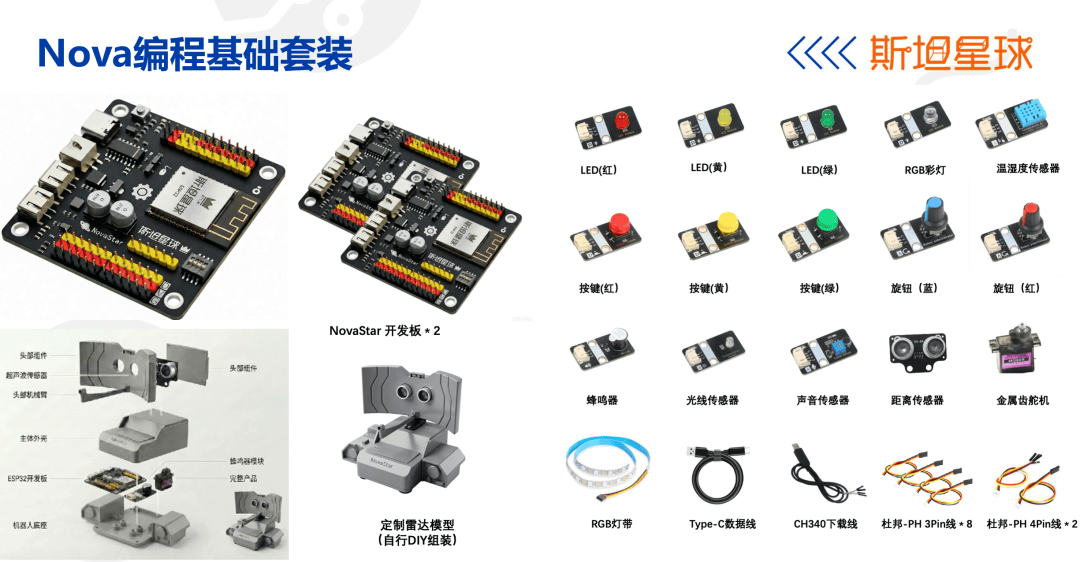
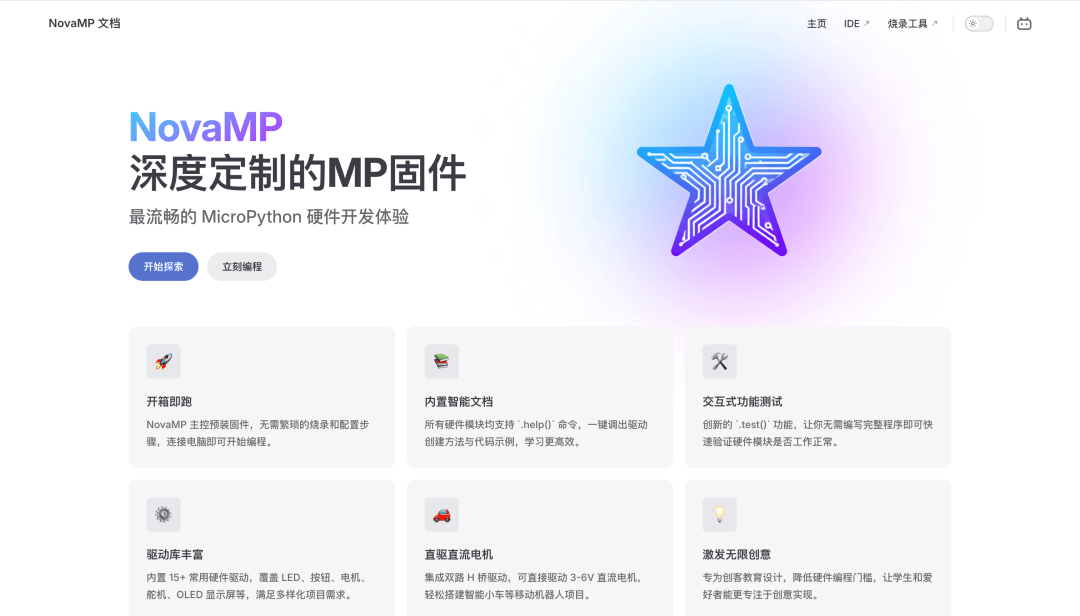
With NovaMP and NovaStar as the core, students will start by lighting up LEDs, learn embedded development, and practice software and hardware collaboration skills through projects. They will get acquainted with microcontrollers (ESP32) and MicroPython programming, and learn to use hardware modules such as LEDs, buttons, rotary knobs, temperature and humidity sensors, servos, and ultrasonic ranging sensors. In this stage, the basics of object-oriented programming will also be introduced, and students will learn about the concepts of classes and instances. Through comprehensive projects such as turtle radar, students will experience the fun of programming that combines software and hardware, control hardware through programming, and lay a solid foundation for further learning in smart hardware.
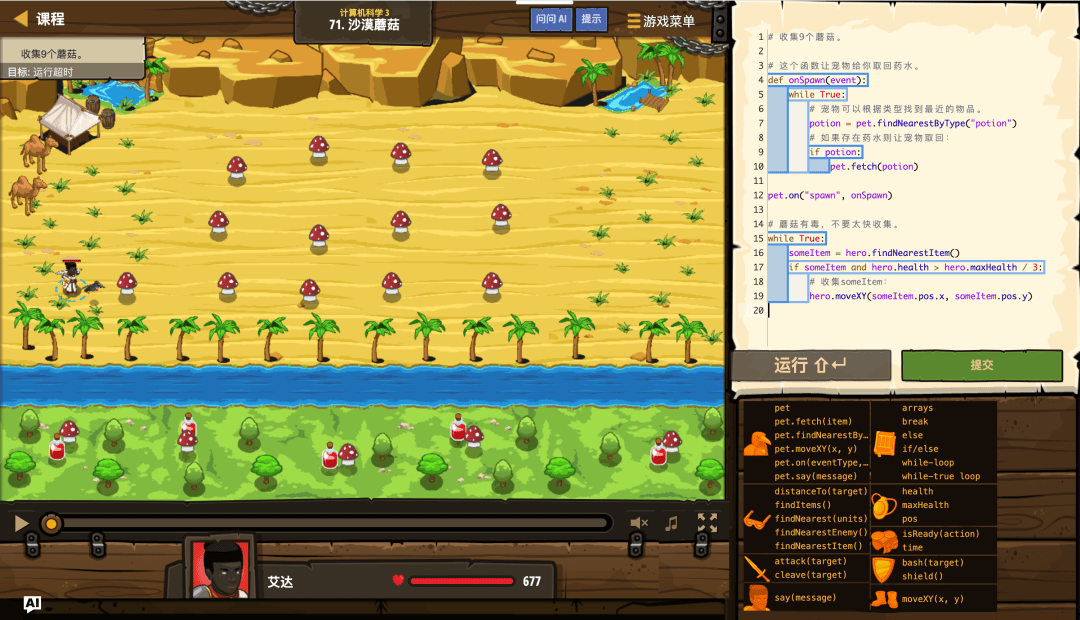
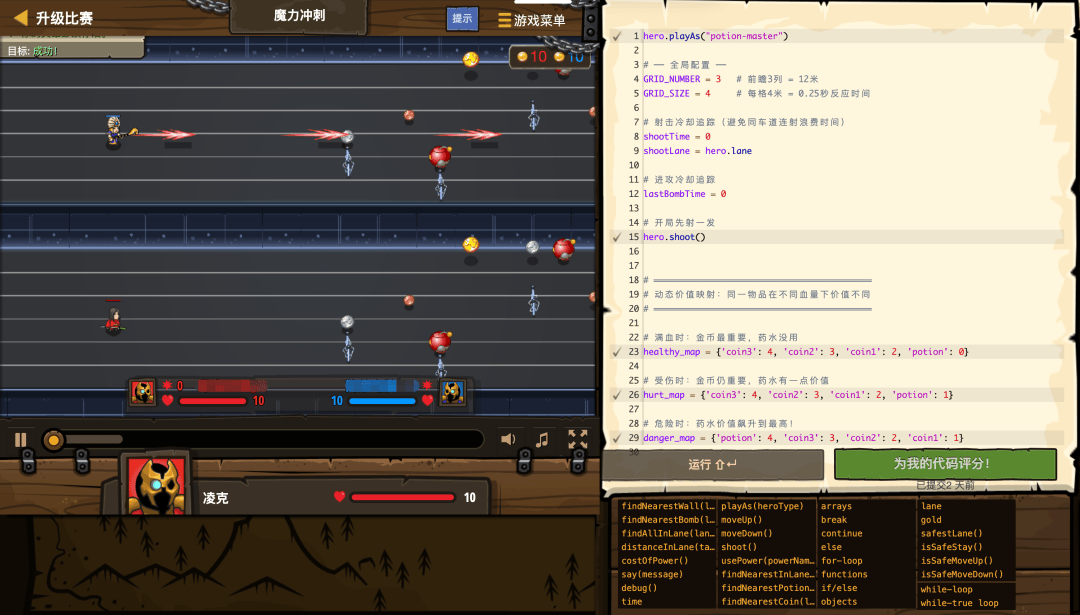
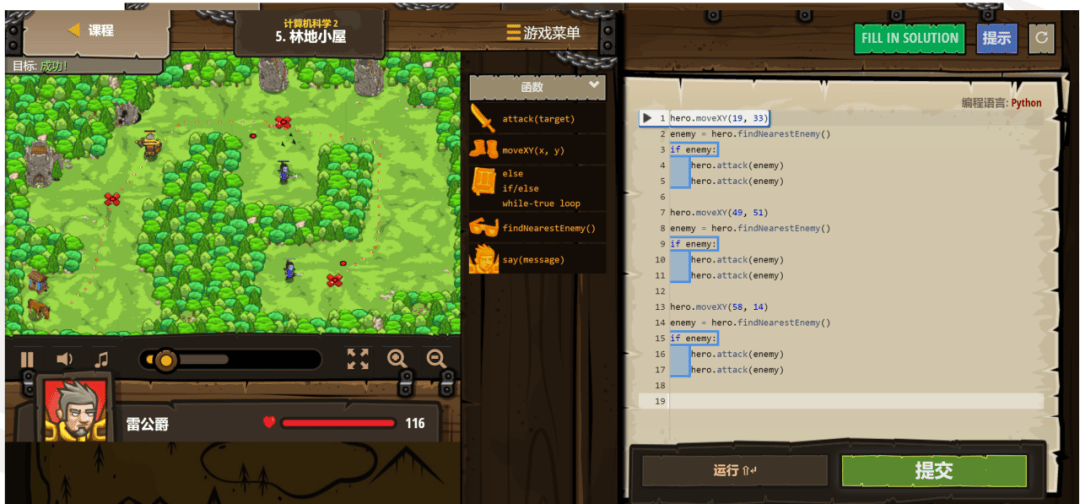
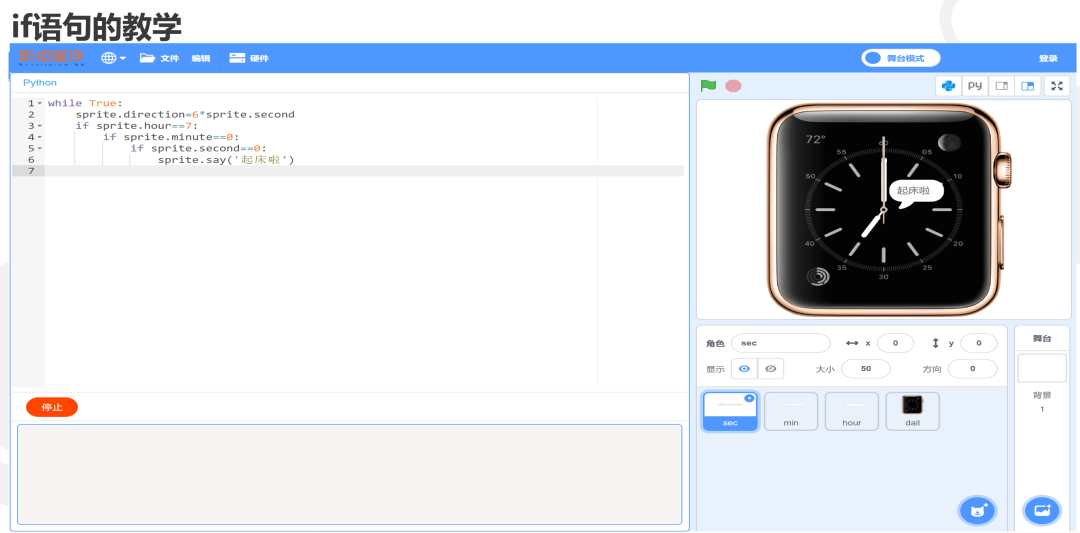
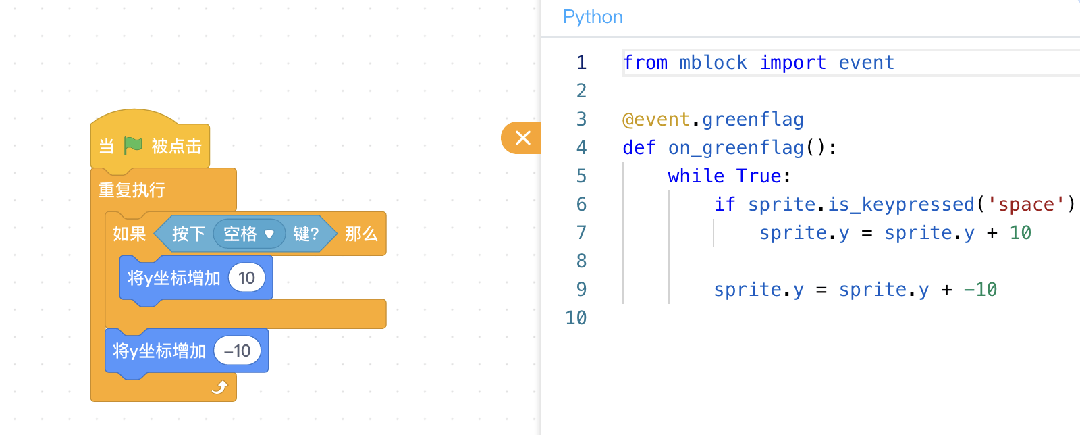
Taking the teaching of Python AI 1-1 if statement as an example, in the course, through dictionary-based learning methods and gamification learning platforms, children are helped to better understand and apply the if statement, while also enhancing their interest in programming.
Next, let's take the comprehensive project "Turtle Radar" from the Python AI 1-4 Smart Hardware Basic Module as an example, and see how children can create interesting works by combining hardware and software!
Do you want to have a smart detection radar tool? Python AI Classroom can help you achieve it!
"Using Python to drive hardware, children integrate."Ultrasonic ranging, servo scanning, data visualizationThree major systems. From hardware setup to host computer programming, from coordinate system conversion to dynamic plotting, we fully reconstruct the entire radar development process, ultimately presenting a real-time scanning intelligent radar system!
With the increasing accumulation of knowledge in Python programming, artificial intelligence, and scientific innovation,Children can participate in the following high-quality competitions, put what you have learned into practice, and use competition awards to boost your child's growth!

[Event Introduction]
The National Youth Labor Skills and Intelligent Design Competition, hosted by the China Association for Automation, is an event that emphasizes the integration of AI (Artificial Intelligence) with agricultural production. It is dedicated to cultivating young people's diverse thinking, innovation ability, and comprehensive quality. The competition not only assesses children's logical thinking and algorithmic thinking, but also aims to let them experience the joy of AI empowering reality through the competition, and apply advanced technology to practical life and labor production!
[Recruitment target] Grades 4-9
[Event Introduction]
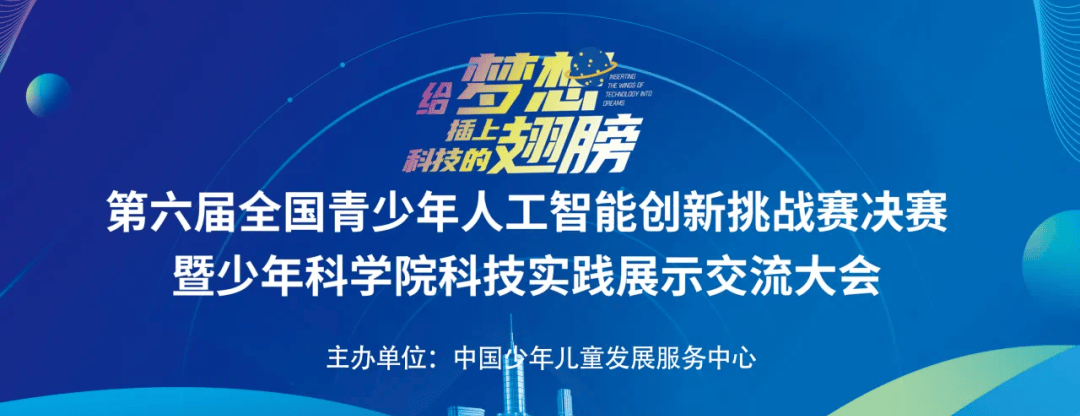
The National Youth Artificial Intelligence Innovation Challenge is a nationwide competition hosted by the China Youth Development Service Center. Each year, over 50,000 youth representatives participate in it. These students demonstrate comprehensive development in their overall qualities, particularly excelling in AI technology learning and innovation.
[Recruitment target] Grades 4-9
[Event Introduction]
The China Soong Ching Ling Foundation established the "Soong Ching Ling Children's Invention Award" in 2001. This competition is a youth science and technology activity approved by the Ministry of Science and Technology.
Co-hosted by the China Soong Ching Ling Foundation and the China Invention Association, this event has successfully held 18 rounds of selection and awarding activities, with over 1 million primary and secondary school students participating. The award-winning experiences will be recorded in students' files.
[Recruitment target] Grades 3-9
Through innovative practices in these high-quality competitions, children can gain a deeper understanding of programming, enhance their innovative thinking in the application of artificial intelligence technology, win awards and honors, and become proficient in AI at an early age!
 TikTok
 WeChat Official Account
 Headline