WeChat Official Account
WeChat Official Account
 APP Download

Scan the QR code Download the STEM STAR APP
With the rapid development of artificial intelligence, more and more children are beginning to learn Python programming. Some children even start to learn Python from the second or third grade.
STEM STAR has found that many Python courses available in the market do not align with children's developmental characteristics and cognitive levels. Moreover, current Python courses primarily focus on software programming and do not cover hardware applications.
Against this backdrop,STEM STAR's newly upgraded Python AI course brings revolutionary Python learning to students, introducing them to artificial intelligence!
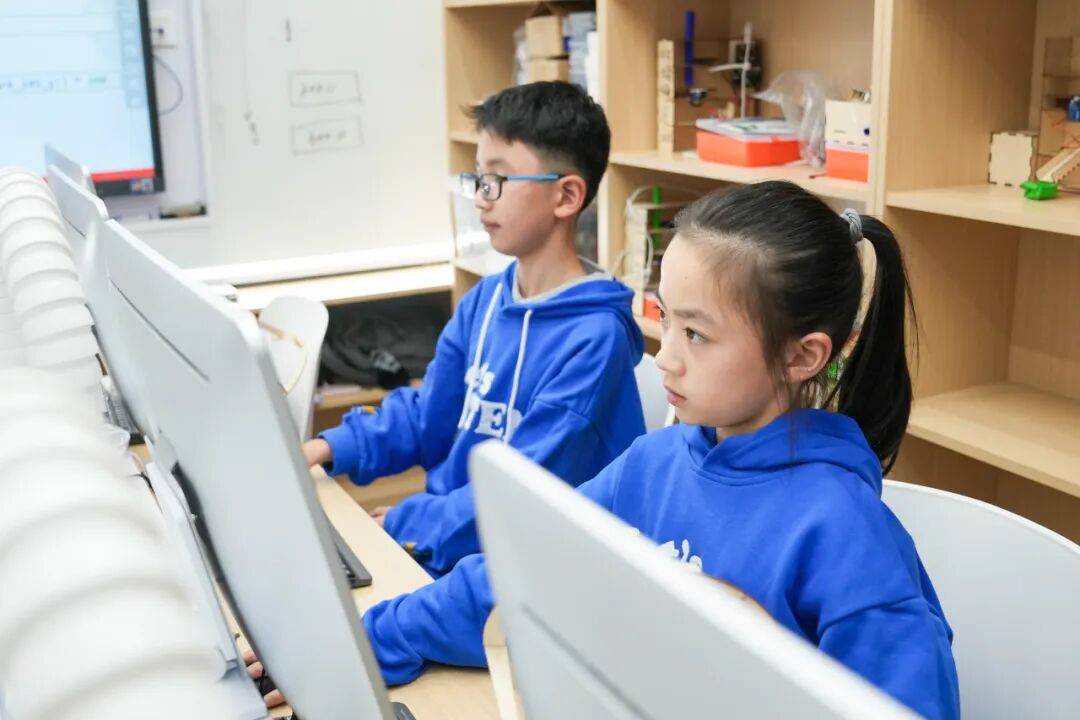
Let's take a look at what highlights there are in STEM STAR's Python AI course
01 What distinguishes the STEM STAR Python AI course?
The STEM STAR course Python AI is suitable for children aged 9-14, with a total of 4 stages,Fully refer to the national AI curriculum design standards and proceed step by step.
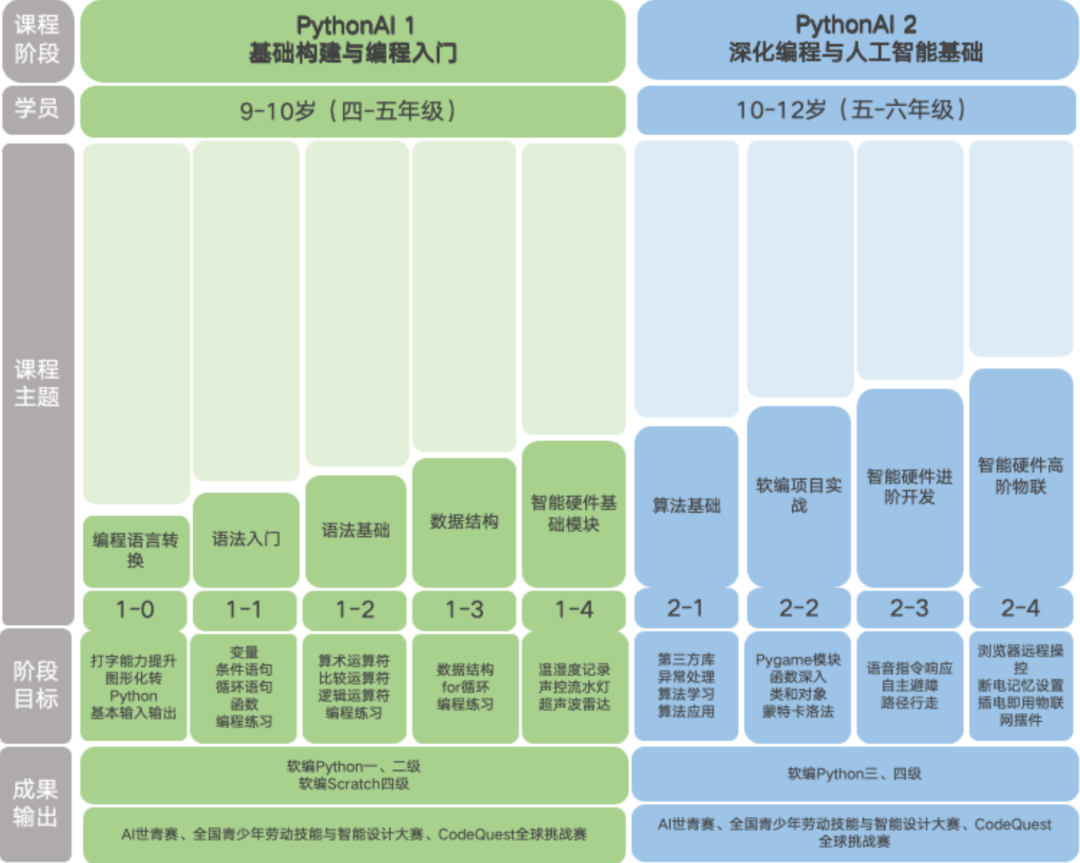
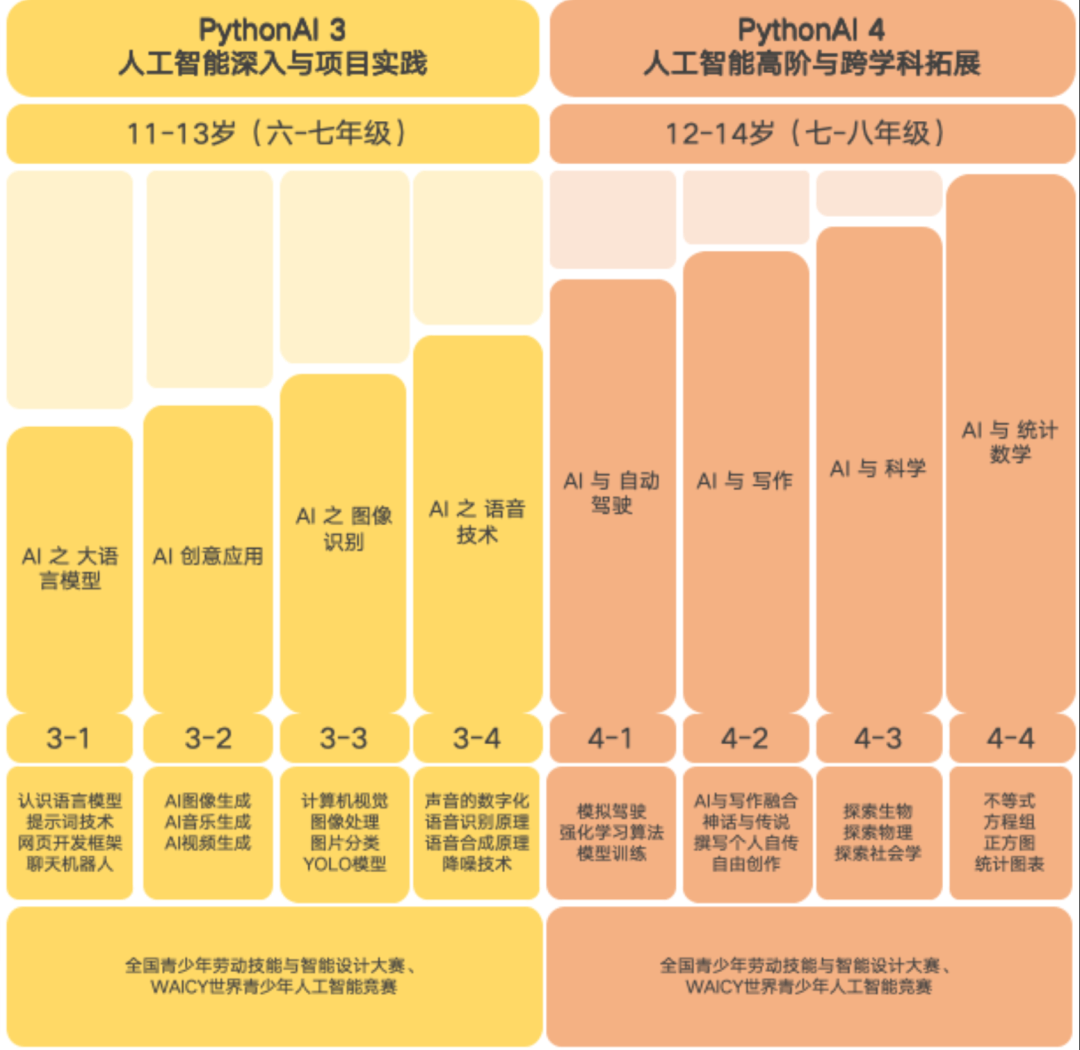 ▲STEM STAR Python AI Course Outline
We adhere to the educational philosophy of "teaching for understanding, learning for innovation", allowing children to become the protagonists of the classroom and actively explore and investigate on their own initiative.
Unlike traditional Python programming courses, in the STEM STARPython AI class,Children will learn the application of smart hardware using Python programming as a tooland carry out project creation.
At each stage, the children will have their works exhibited.As learning progresses and projects progress, children will learn to combine hardware and software to solve practical problems!
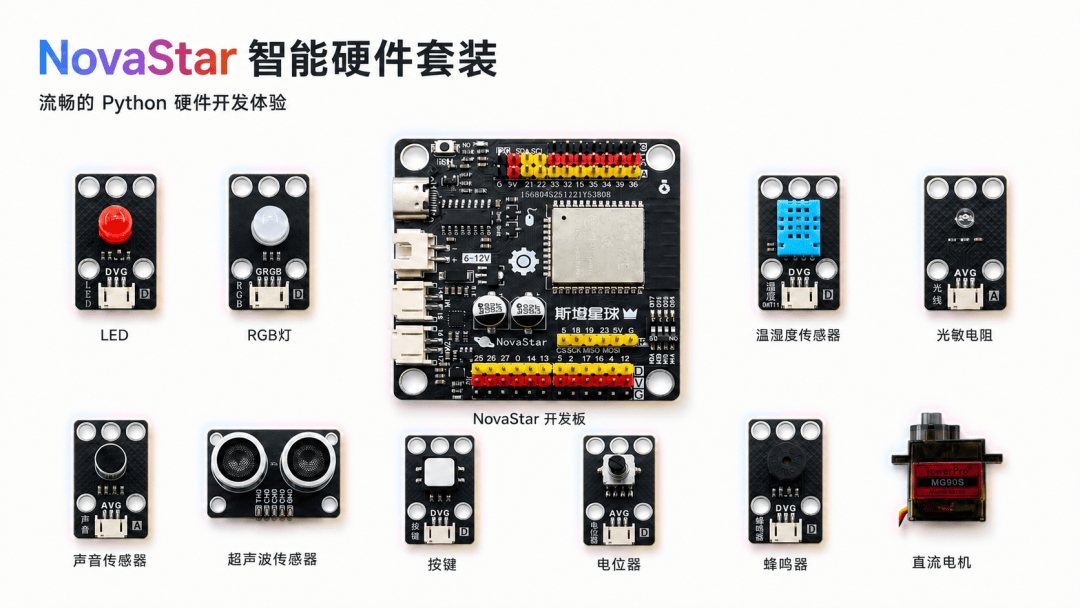
It is worth mentioning that,The series of 40 hardware kits utilized in the Python AI course are all independently developed and customized by STEM STAR,More powerful functions, cutting-edge technology, and stronger scalability.

We have conducted a review of the Python AI 3 courseA more systematic and cutting-edge design of artificial intelligence curriculum system.
The content of Python AI 3 course,From large language models and AIGC applications, to computer vision and YOLO object detection, and further to speech recognition, speech synthesis, and intelligent robot interaction design, we aim to help children gradually establish a complete knowledge framework of artificial intelligence.
At each stage, children can learn core knowledge in different fields of artificial intelligence and practice through Python programming and real-world projects. The curriculum not only emphasizes the understanding of AI technology principles but also focuses on cultivating children's creativity, engineering thinking, and practical application abilities.
For example, children will systematically understand the classic and widely applied technical directions in the current artificial intelligence field, includingNatural language processing, computer vision, intelligent speech, human-computer interaction, and generative AIAnd so on.
The knowledge points that will be covered in the course include:The principles of large language models and prompt word technology, AI image generation, YOLO object detection model, image processing technology, sound digitization principles, speech recognition and speech synthesis technology, as well as the interactive design implementation of AI combined with smart hardware.
② Python AI 3-2 AI Creative Application
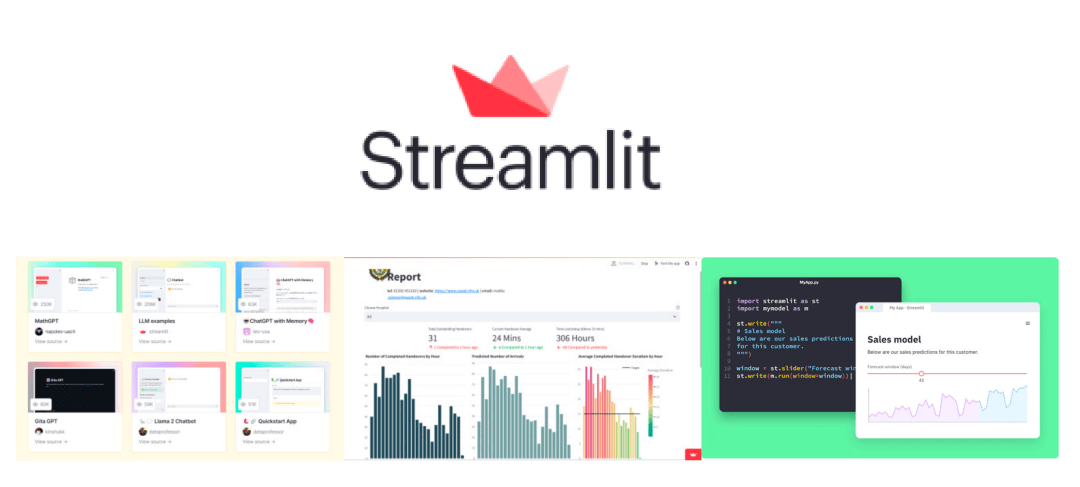
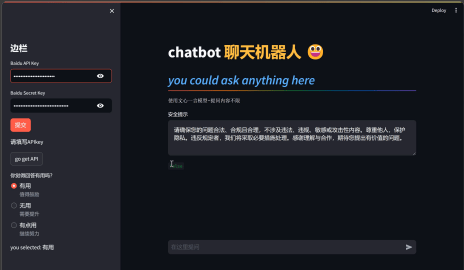
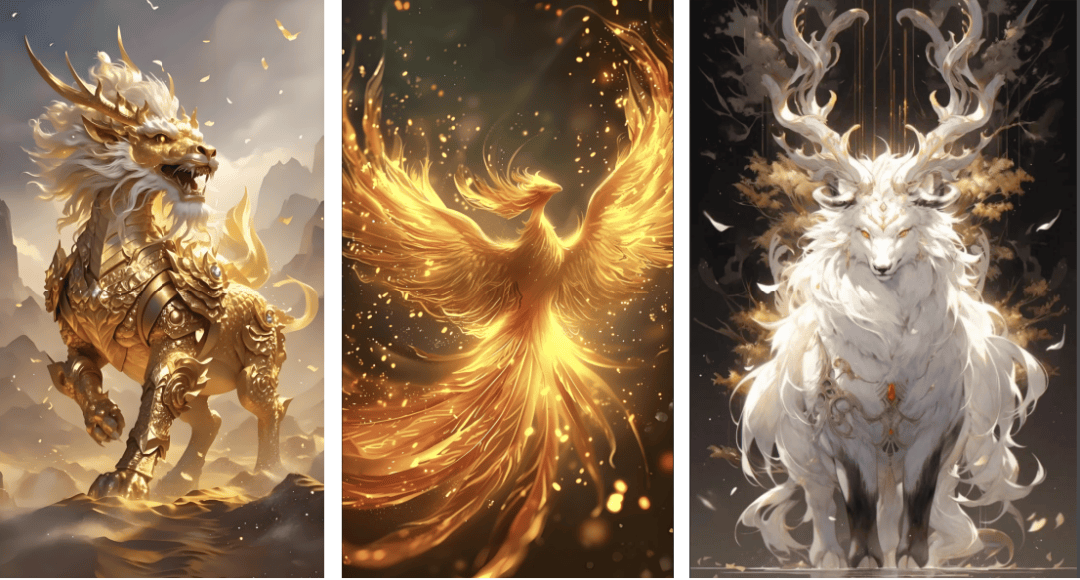
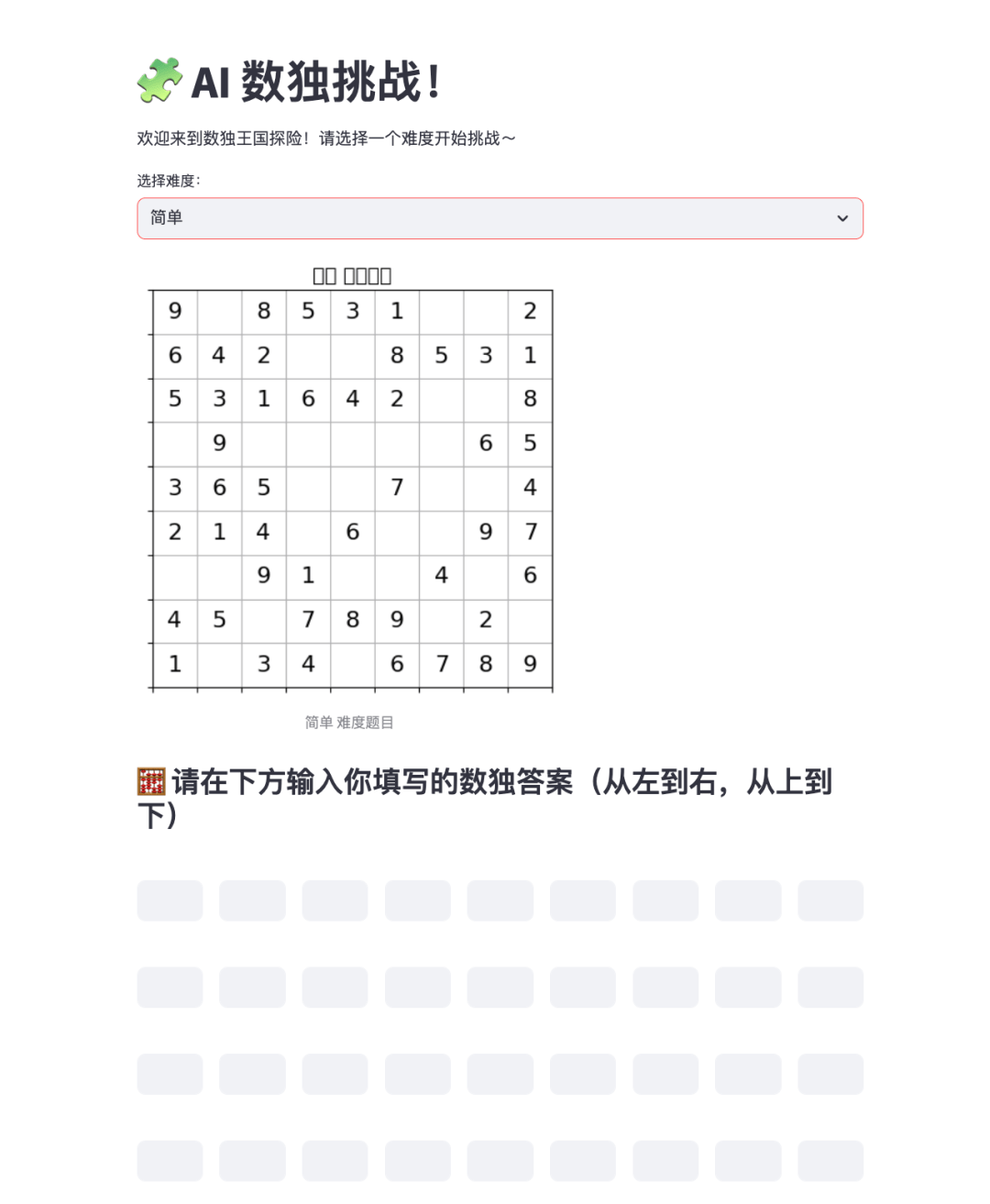
Students will learn about the application of Natural Language Processing (NLP), understand the development history and technical principles of ChatGPT, and engage in conversations with ChatGPT to explore its capabilities. Additionally, they will learn to apply large language model technology to develop a web chat tool. The second phase involves creative AI applications that integrate humanities and technology. Students will use AI painting, video generation, voice dubbing, and other tools to create short stories about mythical creatures, with the theme of "Shanhaijing". They will also design multi-ending interactive detective movies set in Chang'an during the Tang Dynasty, learning scriptwriting, branching logic programming, and web interaction implementation. Furthermore, students will delve into programming skills such as recursion and backtracking algorithms through a Sudoku project, enhancing their logical thinking abilities.
③Python AI 3-3: AI and Image Recognition
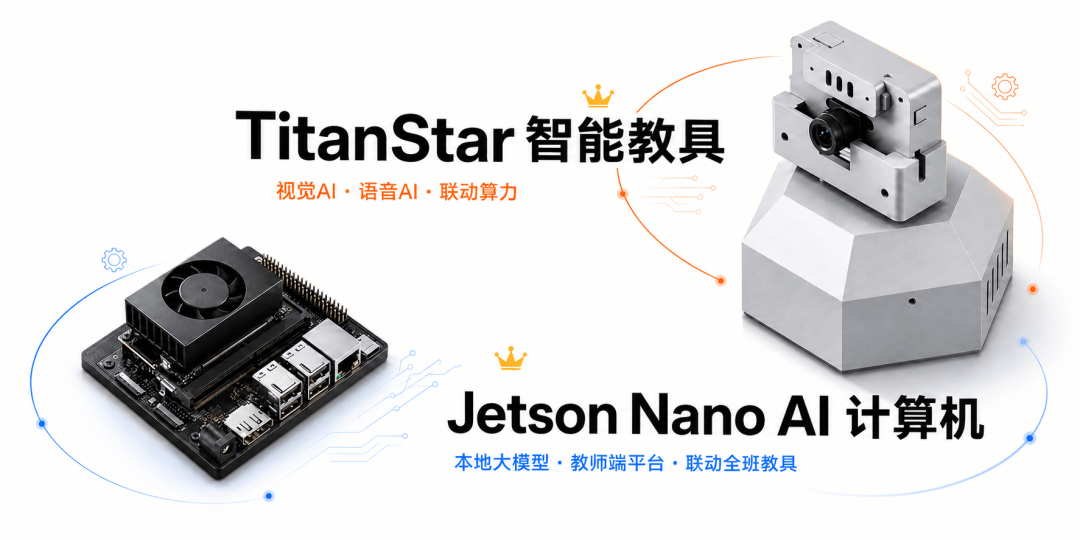
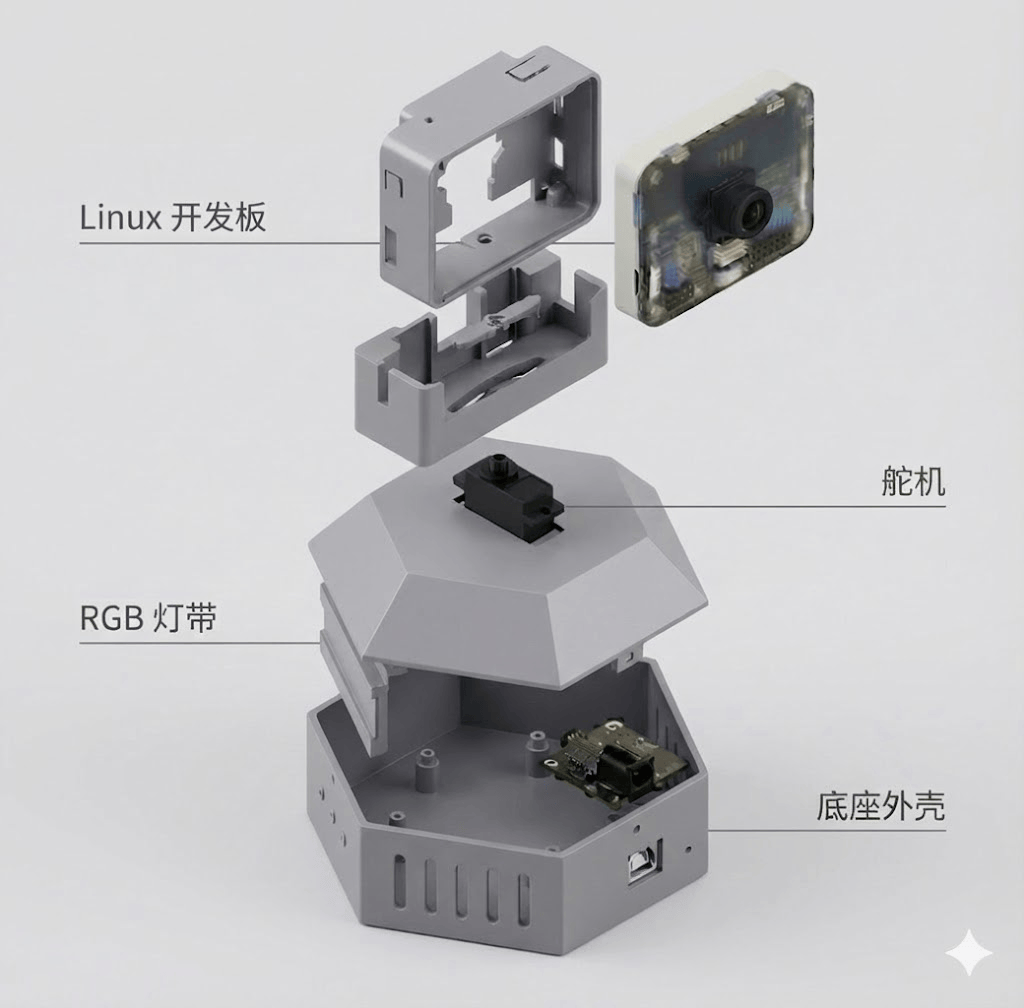
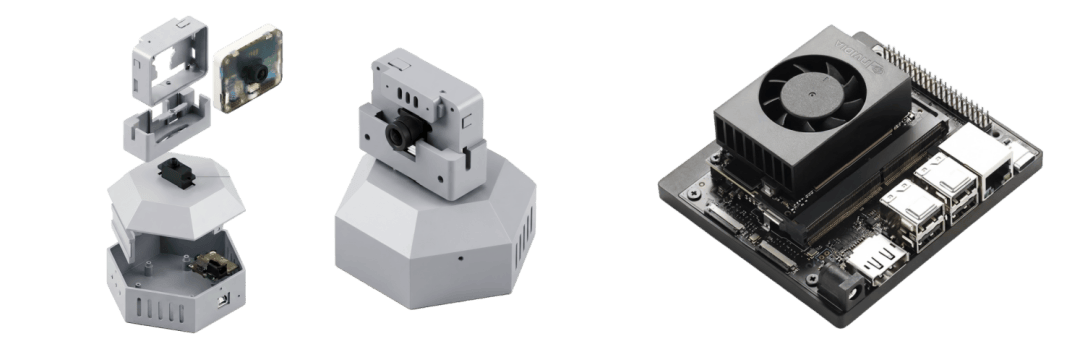
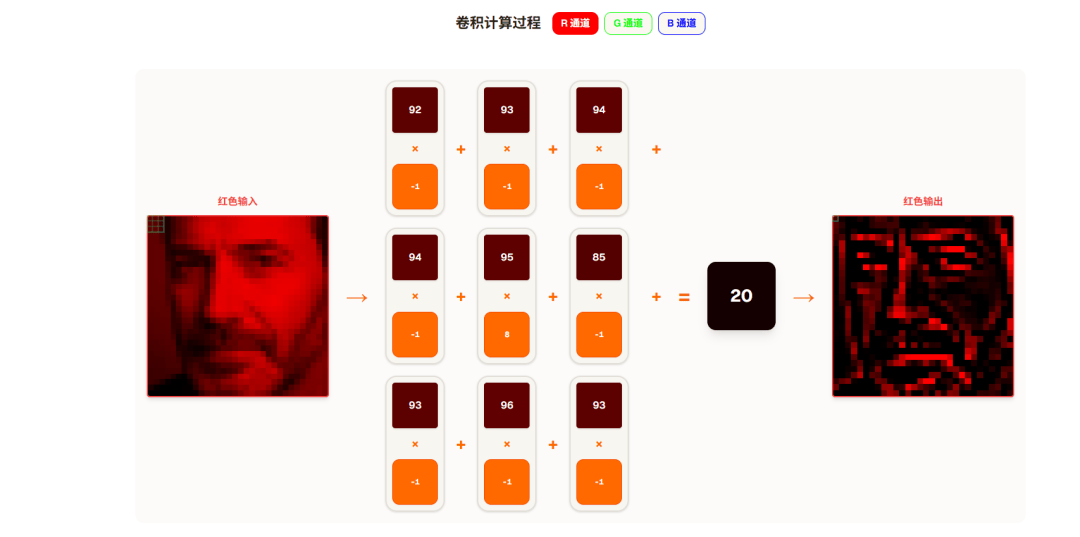
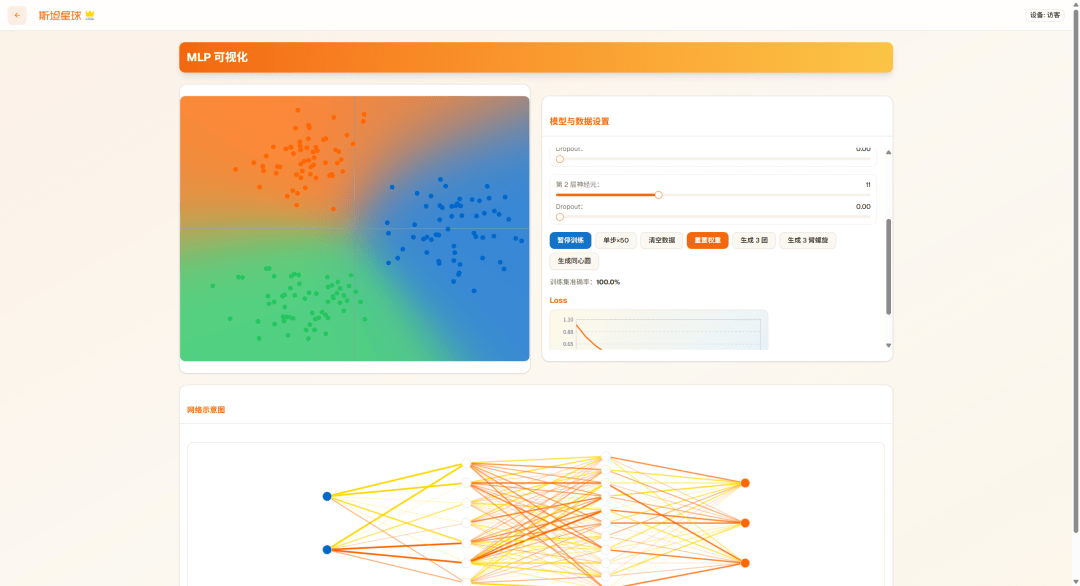
The third stage focuses on AI image recognition. Students will utilize TitanStar smart hardware, combined with the OpenCV library, to learn computer vision technologies such as color recognition, face recognition (MediaPipe), and face tracking (PID control). They will further explore the Jetson Nano platform, gaining insights into deep learning concepts like image convolution, CNN convolutional neural networks, and object detection, while experiencing the VLM (Vision Language Model) large visual model. Ultimately, they will complete comprehensive projects like smart access control and intelligent note-taking.
④ Python AI 3-4 AI - Speech Technology
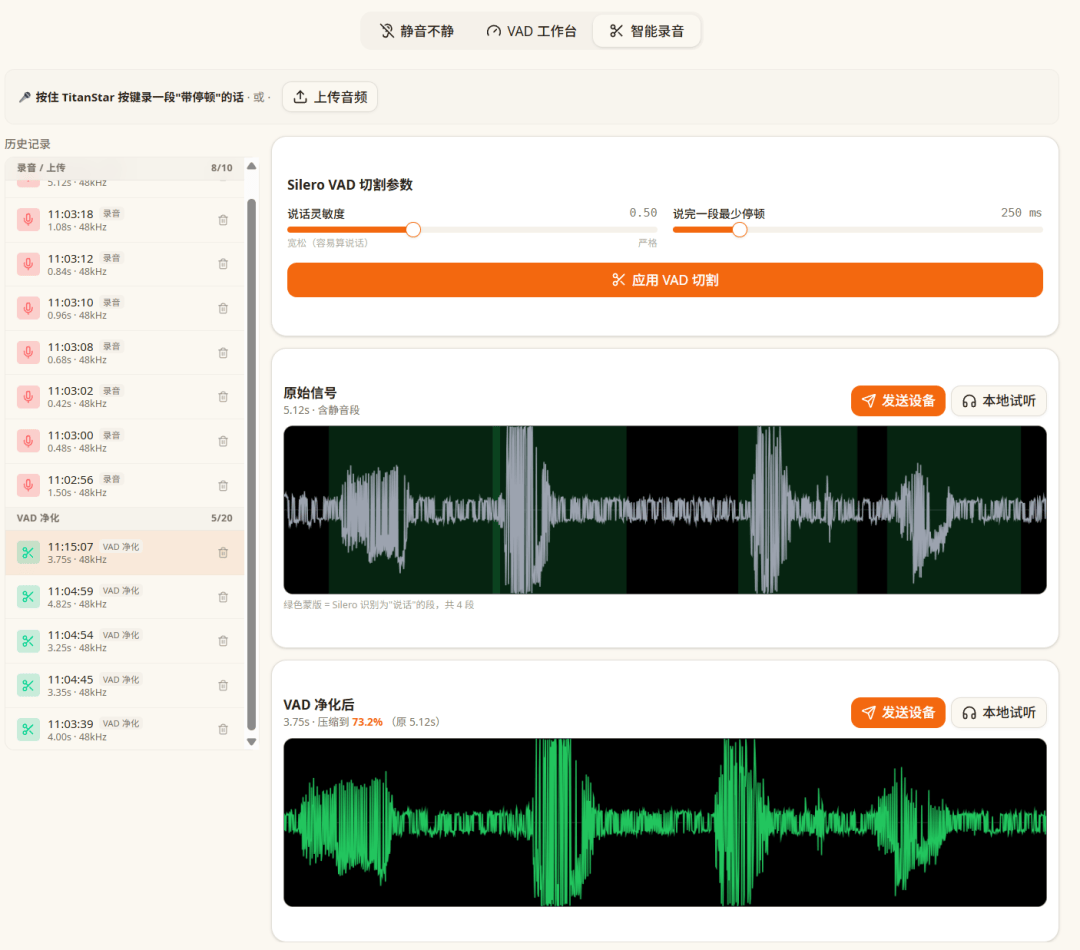
The fourth stage focuses on AI speech technology. Students will start from the essence of sound (vibration, sound wave) and learn about the three major elements of sound (frequency, tone, and loudness), conducting sound visualization and digital processing through Python. They will delve into technologies such as silence detection, voiceprint recognition, emotion detection, speech recognition, and synthesis, ultimately completing an AI speech assistant project - implementing a complete speech interaction function of "listening-thinking-speaking", supporting advanced capabilities such as large model dialogue and function call.
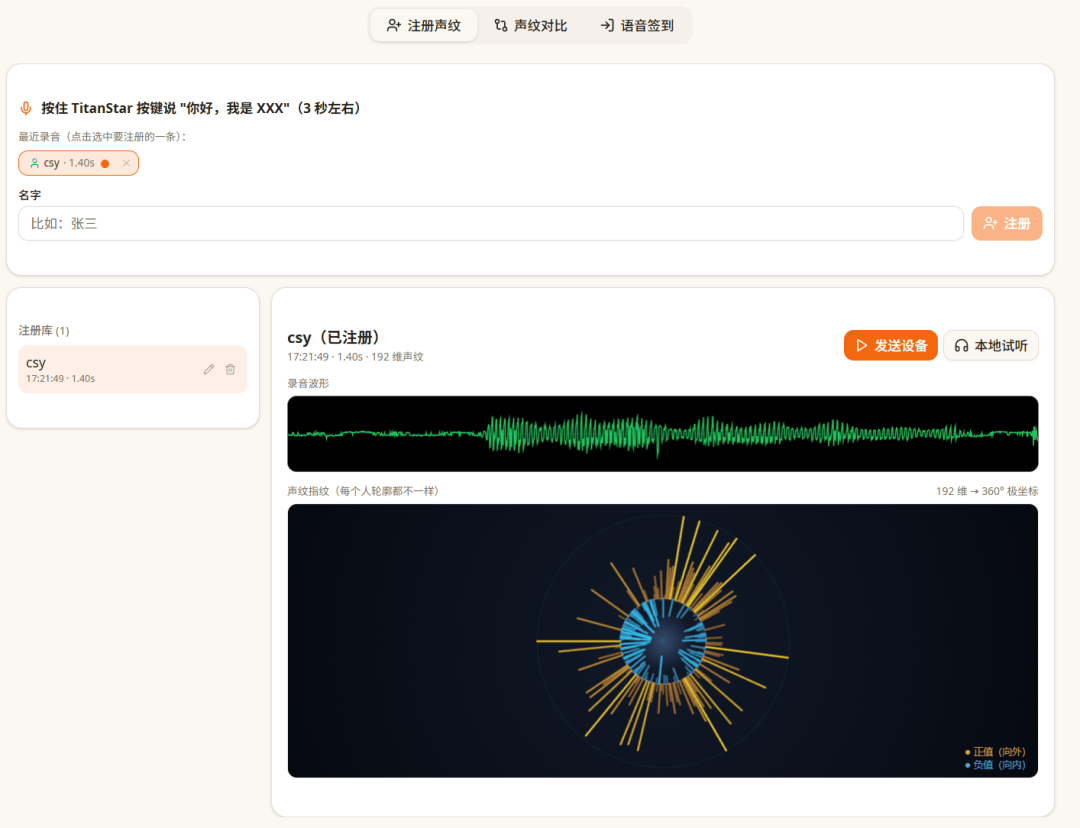
Next, let's take the PYAI 3-3 course features as an example to see how children learn AI skills related to computer vision through the combination of software and hardware!
With the increasing knowledge of Python programming, artificial intelligence, and scientific innovation, children can participate in the following activitiesHigh-quality competitionPut what you have learned into practice and use competition awards to help children grow!

[Event Introduction]
The National Youth Labor Skills and Intelligent Design Competition, hosted by the China Association for Automation, is an event that emphasizes the integration of AI (Artificial Intelligence) with agricultural production. It is dedicated to cultivating young people's diverse thinking, innovation ability, and comprehensive quality. The competition not only assesses children's logical thinking and algorithmic thinking, but also aims to let them experience the joy of AI empowering reality through the competition, and apply advanced technology to practical life and labor production!
[Recruitment target] Grades 4-9
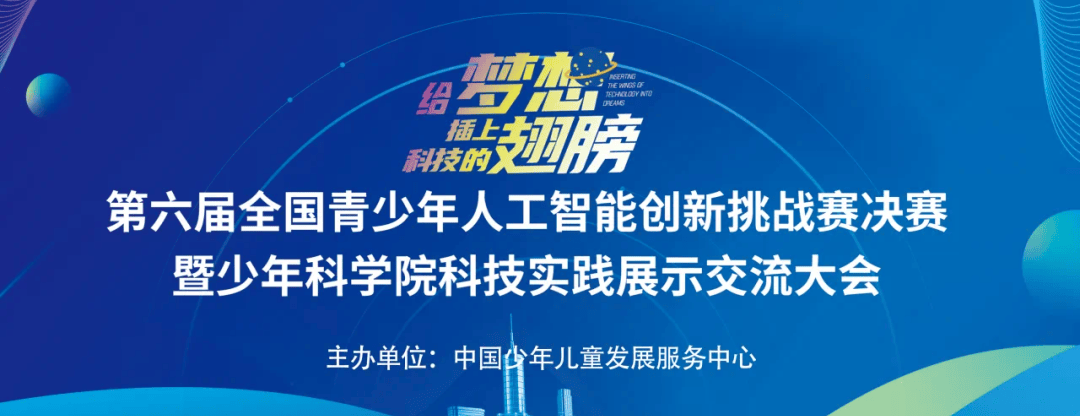
[Event Introduction]
The National Youth Artificial Intelligence Innovation Challenge is a nationwide competition hosted by the China Youth Development Service Center. Each year, over 50,000 youth representatives participate in it. These students demonstrate comprehensive development in their overall qualities, particularly excelling in AI technology learning and innovation.
[Recruitment target] Grades 4-9
[Event Introduction]
The China Soong Ching Ling Foundation established the "Soong Ching Ling Children's Invention Award" in 2001. This competition is a youth science and technology activity approved by the Ministry of Science and Technology.
Co-hosted by the China Soong Ching Ling Foundation and the China Invention Association, the event has successfully held 18 rounds of selection and awarding activities, with over 1 million primary and secondary school students participating. The award-winning experiences will be recorded in students' files.
[Recruitment target] Grades 3-9
Through innovative practices in these high-quality competitions, children can gain a deeper understanding of programming, enhance their innovative thinking in the application of artificial intelligence technology, win awards and honors, and become proficient in AI at an early age!
 TikTok
 WeChat Official Account
 Headline