WeChat Official Account
WeChat Official Account
 APP Download

Scan the QR code Download the STEM STAR APP
When more and more children achieve excellent grades and have similar resumes, "high scores" themselves are no longer an absolute advantage.

What truly sets a child apart is not an ordinary learning experience, but a "personal masterpiece" that is visible, articulate, and stands up to scrutiny.
In the era of AI, personalized projects are emerging as new growth opportunities
In the past, it was not easy for a child to complete a decent science and technology innovation project.
I may have ideas, but I don't know how to break them down;
The problem may be real, but no research will be conducted;
The plan may be interesting, but it lacks a technical implementation path;
The work may be completed, but there is no idea on how to conduct experimental verification, organize data, and complete the presentation.
Many children are not lacking curiosity, but are stuck at the starting line due to technical barriers, tool barriers, and project methodologies.
But in the era of AI, all of this is changing.
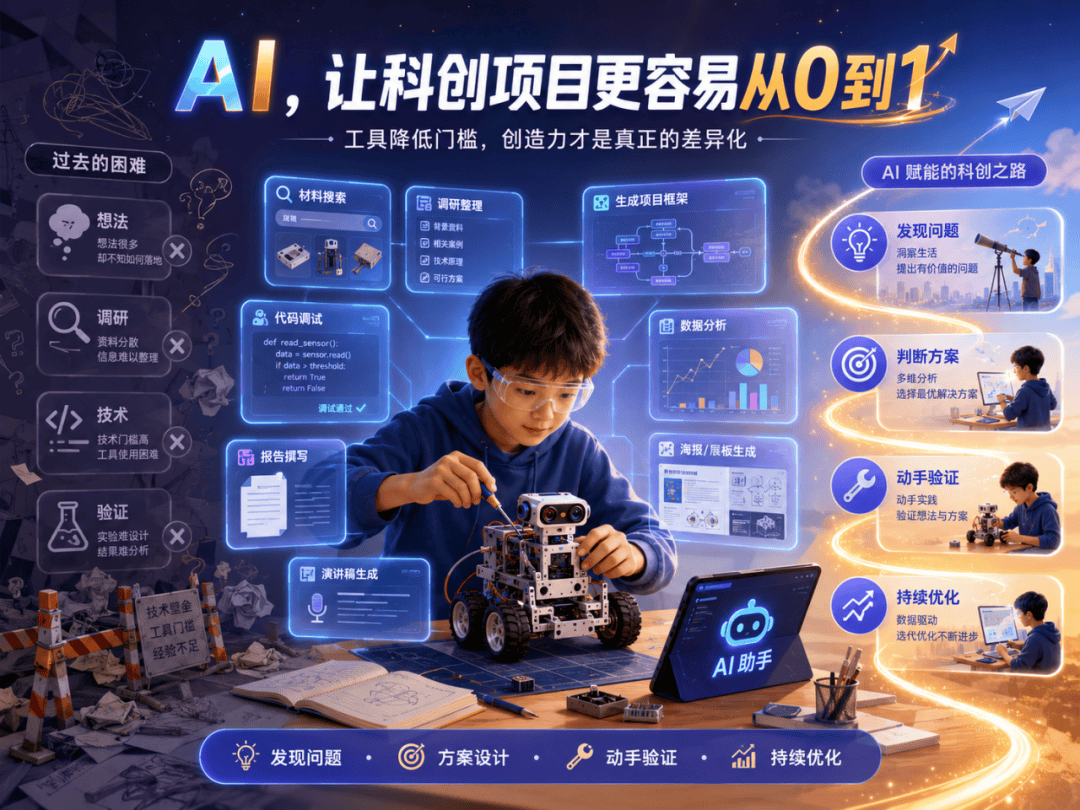
AI can assist children in finding information, organizing data, and generating project frameworks more efficiently; it can also aid in code debugging, data analysis, and chart creation; furthermore, it can help children organize complex project logics into papers, defense scripts, exhibition boards, and presentation materials.
This does not mean that AI replaces children's thinking, but rather frees children from repetitive and mechanical tasks, allowing them to devote more energy to truly important areas:Identify problems, evaluate solutions, implement and verify, and continuously optimize.
When tools are no longer the biggest bottleneck, the true differentiation of a child lies in whether they can complete a creation from scratch, focusing on a real problem.
Second, a truly valuable project must stem from real problems
At STEM STAR ideaLab, we always emphasize the originality of students' scientific and technological innovation works.
A good project should not merely involve the teacher giving a topic and the child following it; nor should it simply involve applying an existing template and ultimately packaging it into a "seemingly complete" material.
Truly valuable projects should start from observations made by children in their own lives.
Perhaps they found the tactile paving occupied on their way to school;
Perhaps it's because they see the inconvenience when the elderly get up, take medication, or use the toilet;
Perhaps it's because they noticed that classmates are prone to getting injured during sports training;
It may be that the nutritional composition of campus lunches is not clearly displayed;
It could also be related to astronomy, environmental protection, artificial intelligence, traditional culture, and so on
I have developed a strong interest in design.
These seemingly ordinary moments in life are precisely the most crucial starting point for scientific and technological innovation projects.
Because only when the problem is real, will the child be willing to continue to invest;
Only when the demand is genuine, does the work have value for improvement;
Only when the process is authentic can the child clearly explain in the defense why they did it, how they did it, and what effect they achieved.
III. How can children create their own "masterpiece" at ideaLab?
STEM STAR ideaLab is not simply about taking children to make a handmade product, but rather revolves around"Real problem - scheme design - engineering production - experimental verification - result expression"Establish a complete project path.

Step 1: Identify a problem that truly belongs to the child
We will guide children to observe the real problems around them from three perspectives: themselves, their friends and family, and their daily lives.
Children do not passively accept problems; instead, they complete problem discovery, demand analysis, and scheme comparison under the guidance of teachers.
This process itself serves as the starting point for scientific research and engineering design.
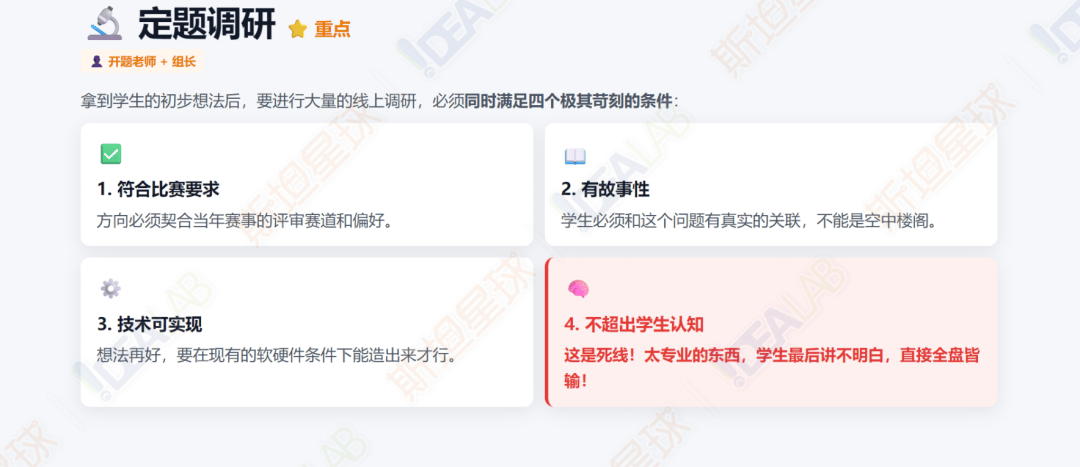
After receiving students' ideas, the coaching team at ideaLab also needs to conduct extensive research together. Only then can they determine the project that truly belongs to the child.
Step 2: Break down the idea into executable plans
After finalizing the project with the parents, ideaLab assists children in breaking down their broad goals into specific modules and provides each student with a personalized technical learning manual:
What sensors are needed?
What method is used for identification?
How to remind users?
How should the structure be designed?
How is data recorded?
How can the experiment be verified?
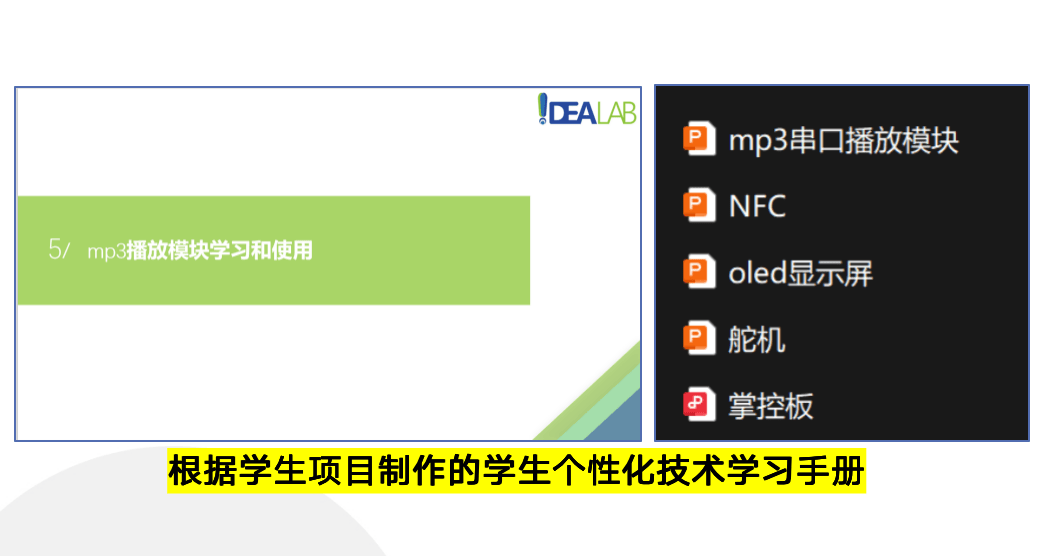
From an idea to a flowchart, a hardware block diagram, and an executable plan, children will gradually learn how to think like engineers.
Step 3: Complete hands-on making in a real laboratory
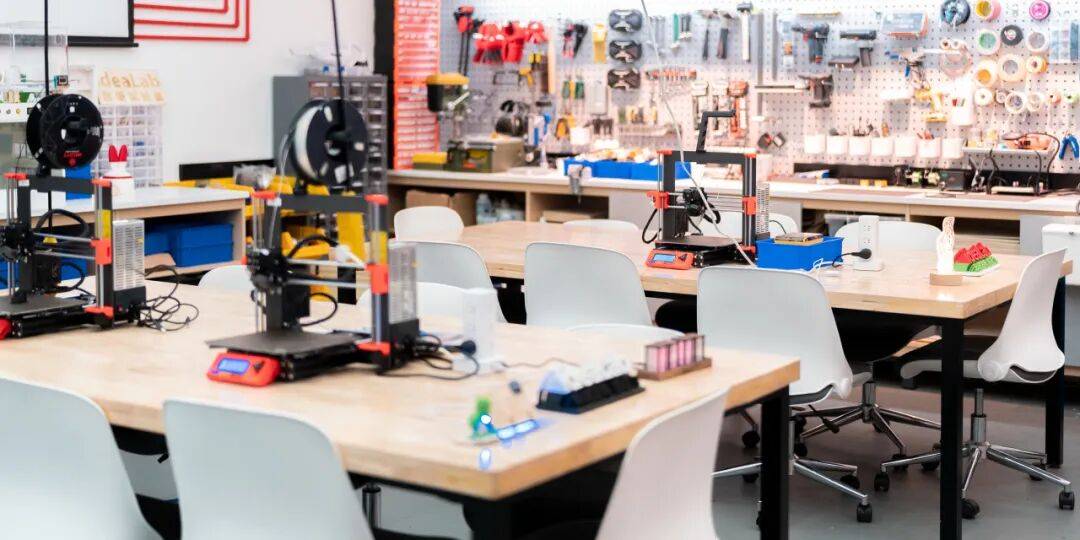
The Maker Lab at IdeaLab is equipped with 3D printers, laser cutters, open-source hardware, smart multimedia devices, and various production tools, providing a real engineering practice environment for children. Here, children can complete modeling, cutting, assembly, wiring, programming, debugging, and iteration.
This is also where ideaLab differs from ordinary courses: we not only emphasize creativity, but also prioritize transforming creativity into tangible, displayable, operational, and testable works.
Step 4: Prove the effectiveness of the work through experiments and data
Scientific and technological innovation projects cannot merely rest on the accomplishment of "I have made it".
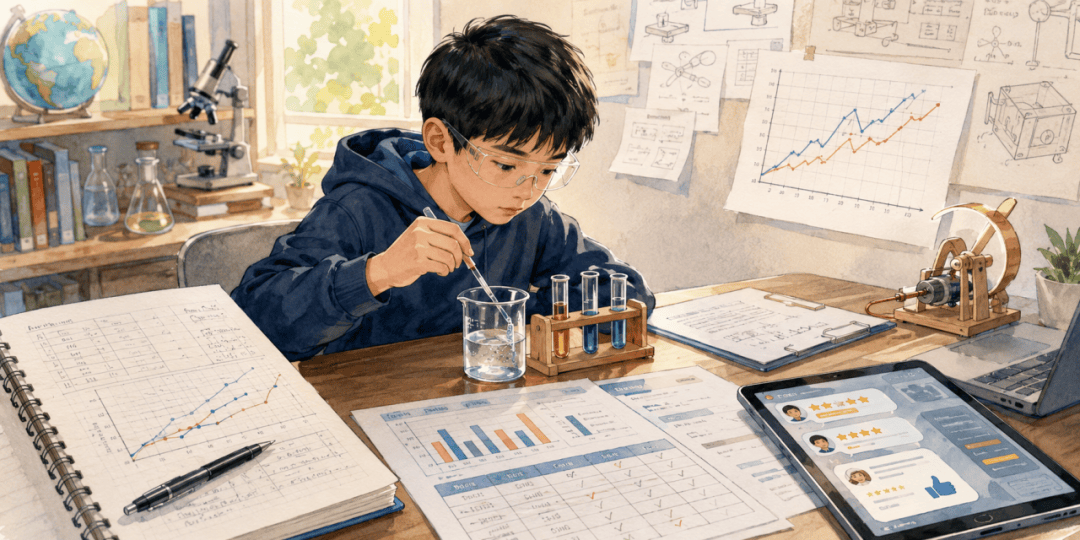
The child still needs to prove through experiments:
Can the device operate normally?
Is the recognition accurate?
Is the reminder timely?
Is the structure stable?
Is the effect consistent under different environments?
Has the user experience really improved?
Through experimental records, data tables, comparative tests, and user feedback, children will gradually understand that a good project is not based on a mere "I think it's useful", but rather on evidence.
Step 5: Complete the thesis, exhibition board, defense, and event transformation
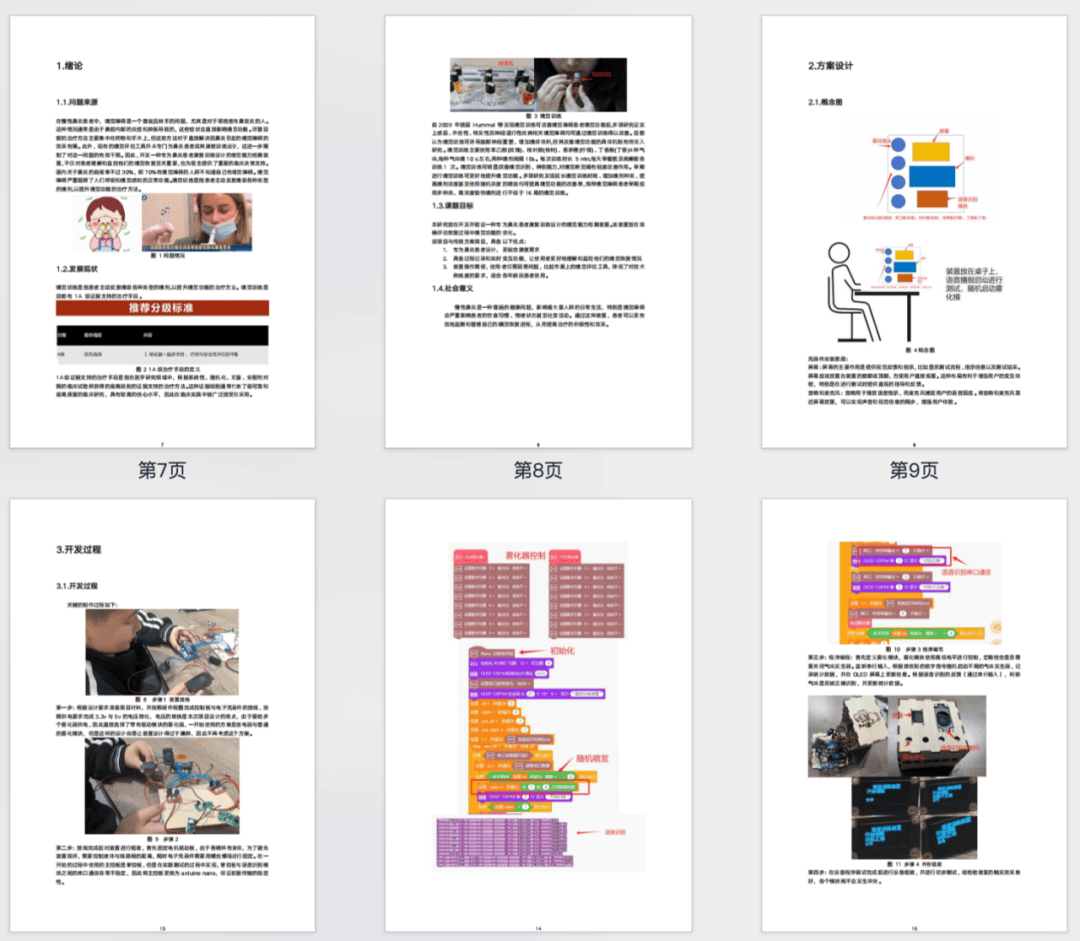
After the project is completed, if the child participates in a competition, ideaLab will continue to assist in organizing the project outcomes, including research reports, invention logs, novelty search reports, presentation posters, defense scripts, and competition materials.
Based on the products chosen by the children, we will match them with different competition opportunities, such as the Youth Science and Technology Innovation Competition, the Soong Ching Ling Children's Invention Award, the ICC Global Invention Convention China Region, the Young Eagle Cup, the Future Technology Star, as well as other science and technology, engineering, and artificial intelligence competitions.
From the very first day of project initiation, our focus is not merely on "creating a work," but rather on assisting children in shaping a comprehensive, authentic, presentable, and defensible growth journey.
Why STEM STAR ideaLab? - It's not about batch projects, but about personalized creation.
Every child has different interests, abilities, and life experiences.
Some children like artificial intelligence, while others prefer mechanical structures;
Some children are interested in barrier-free design, while others prefer environmental protection issues
Some children are good at expressing themselves, while others prefer hands-on debugging.
ideaLab does not simply replicate the same project template. Instead, it designs a project path tailored to a child's interest direction, age characteristics, and ability foundation.

What we hope our children can produce is not "a work by a certain teacher", but a work that truly represents themselves.
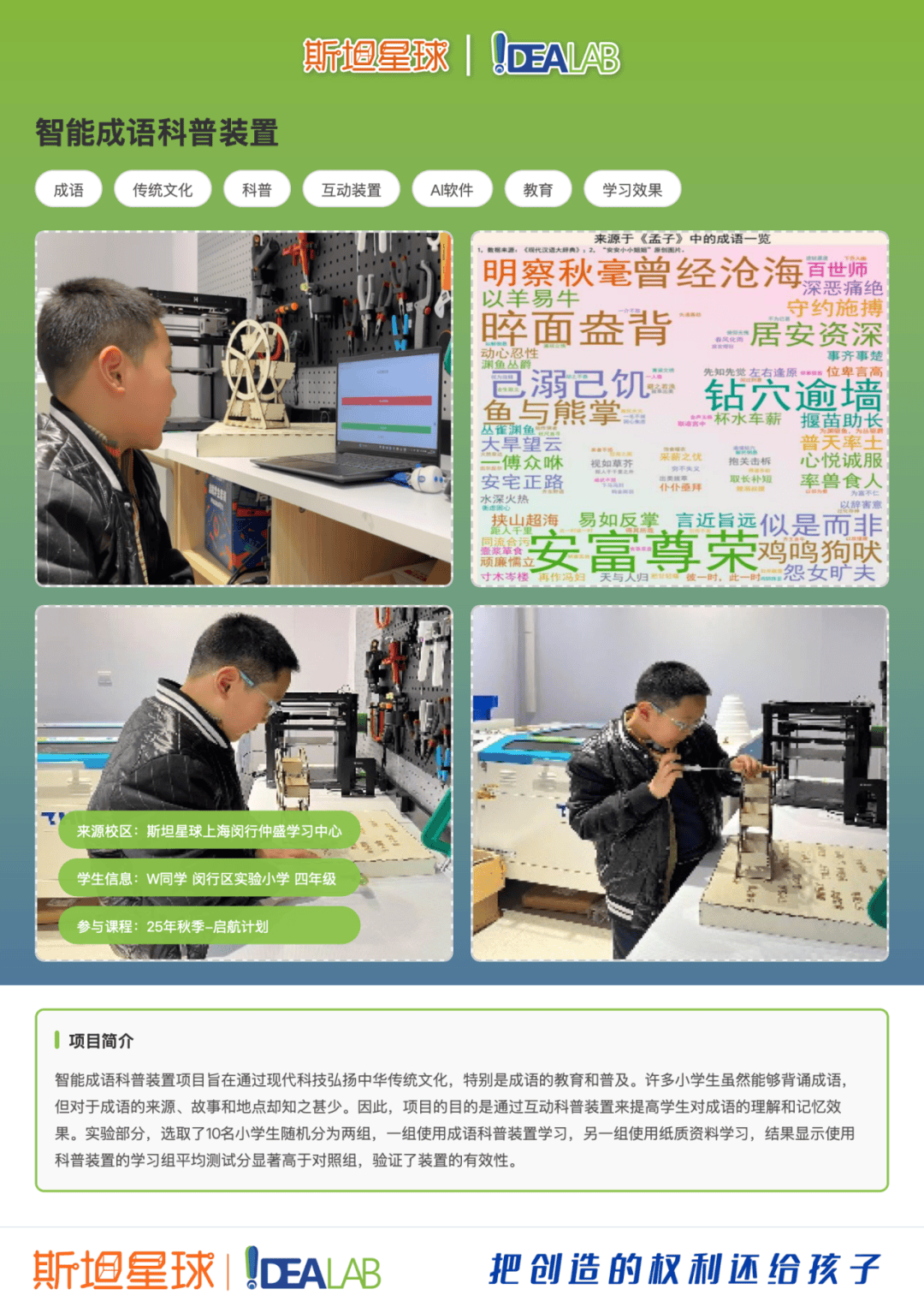
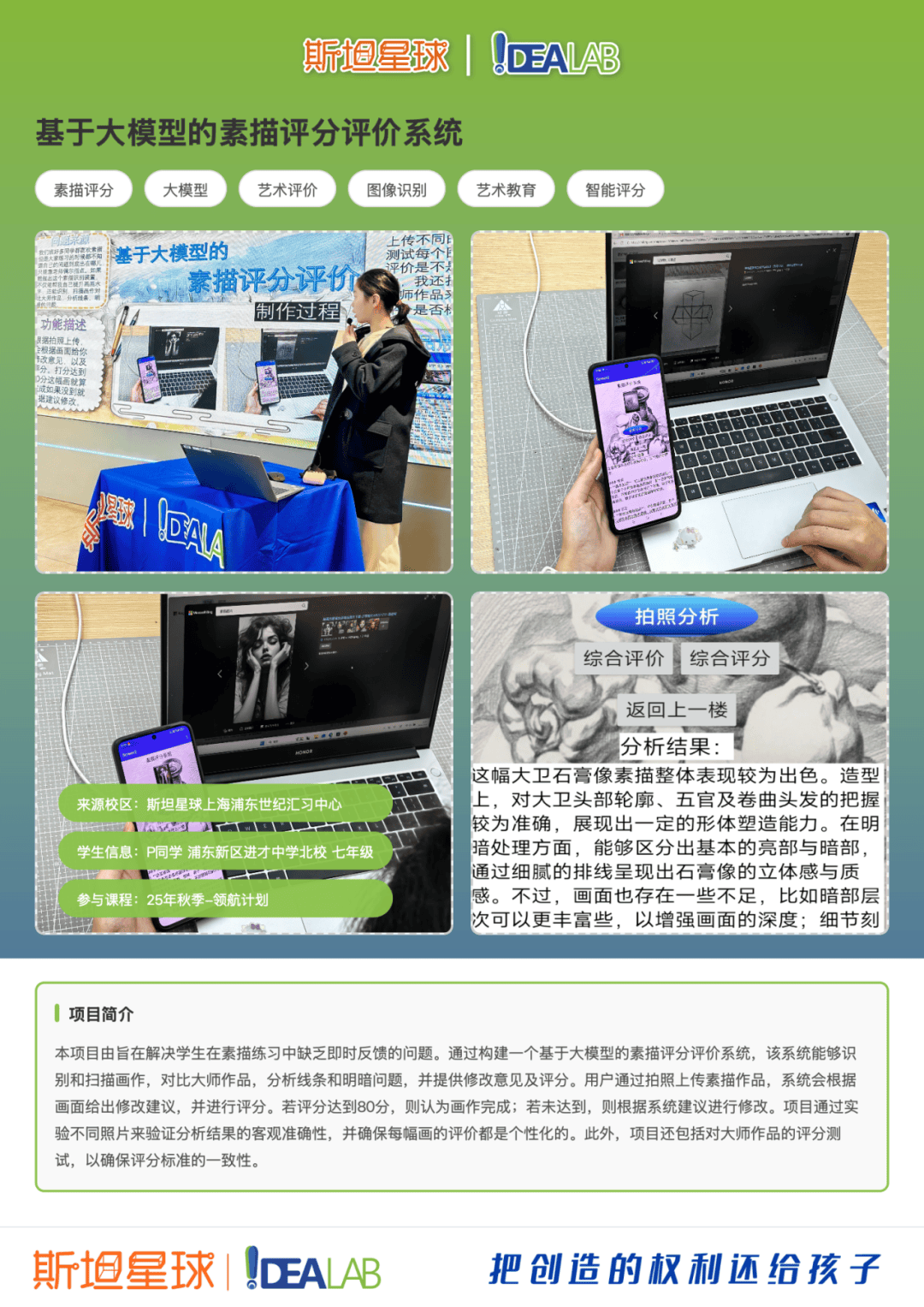
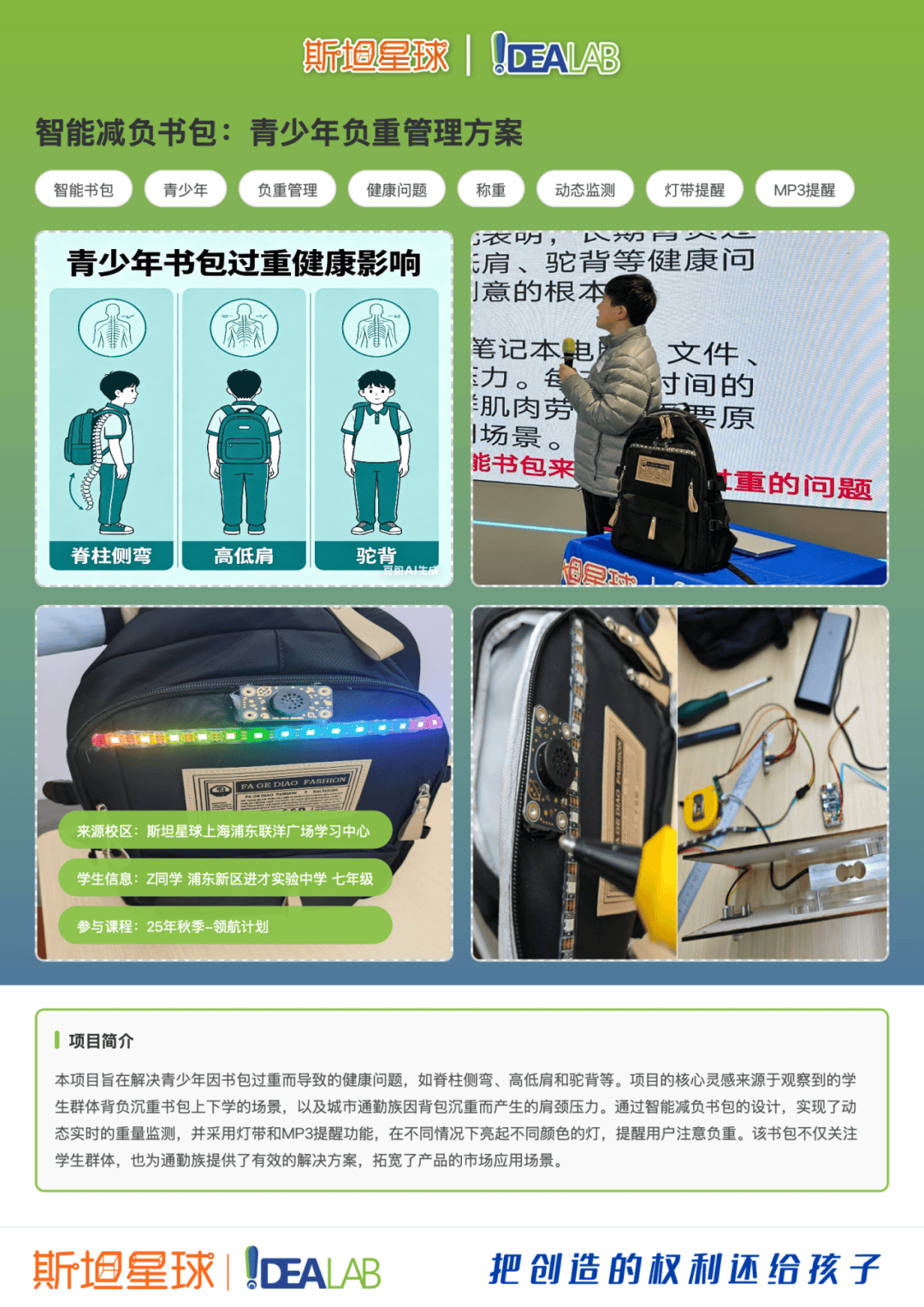
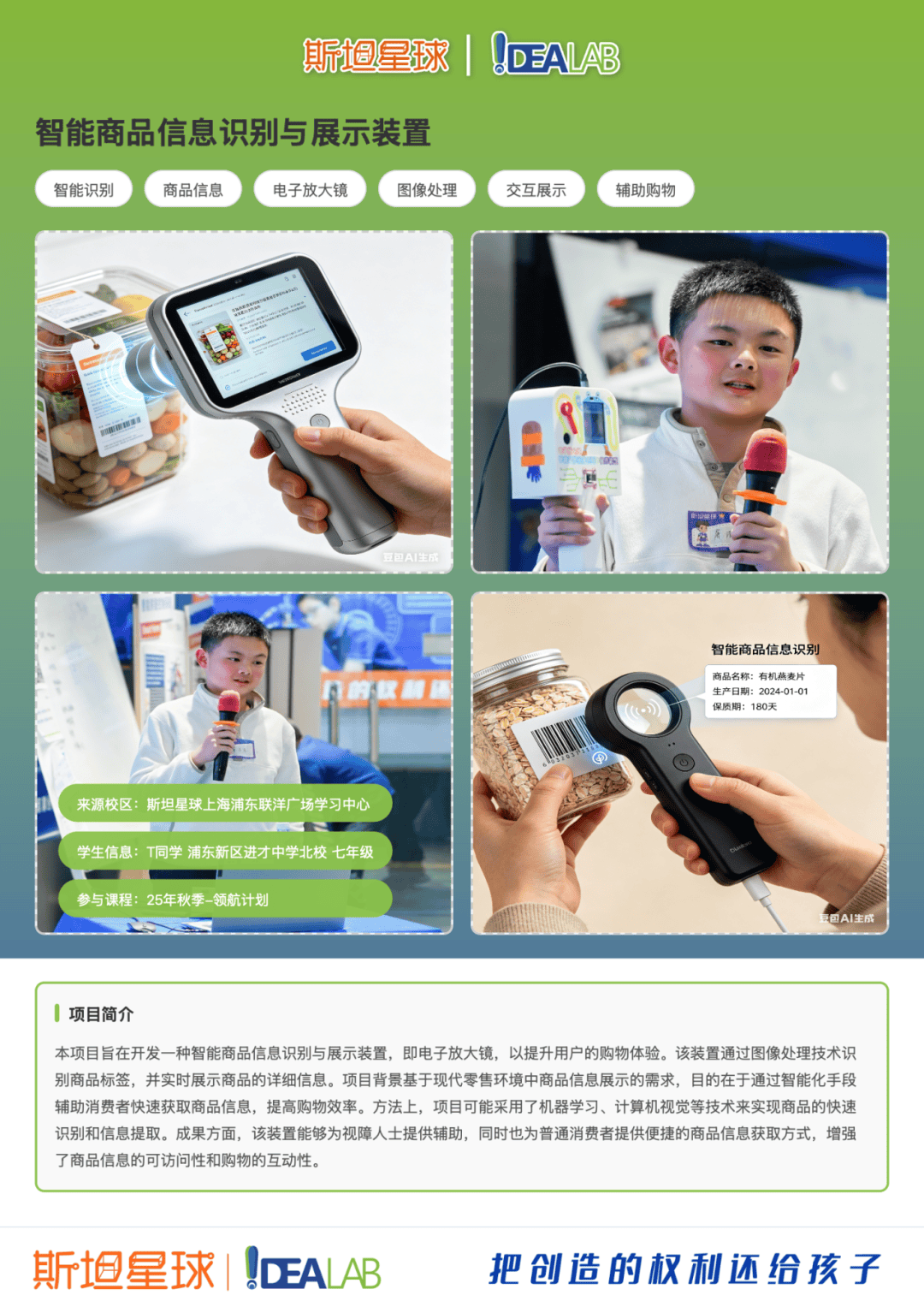
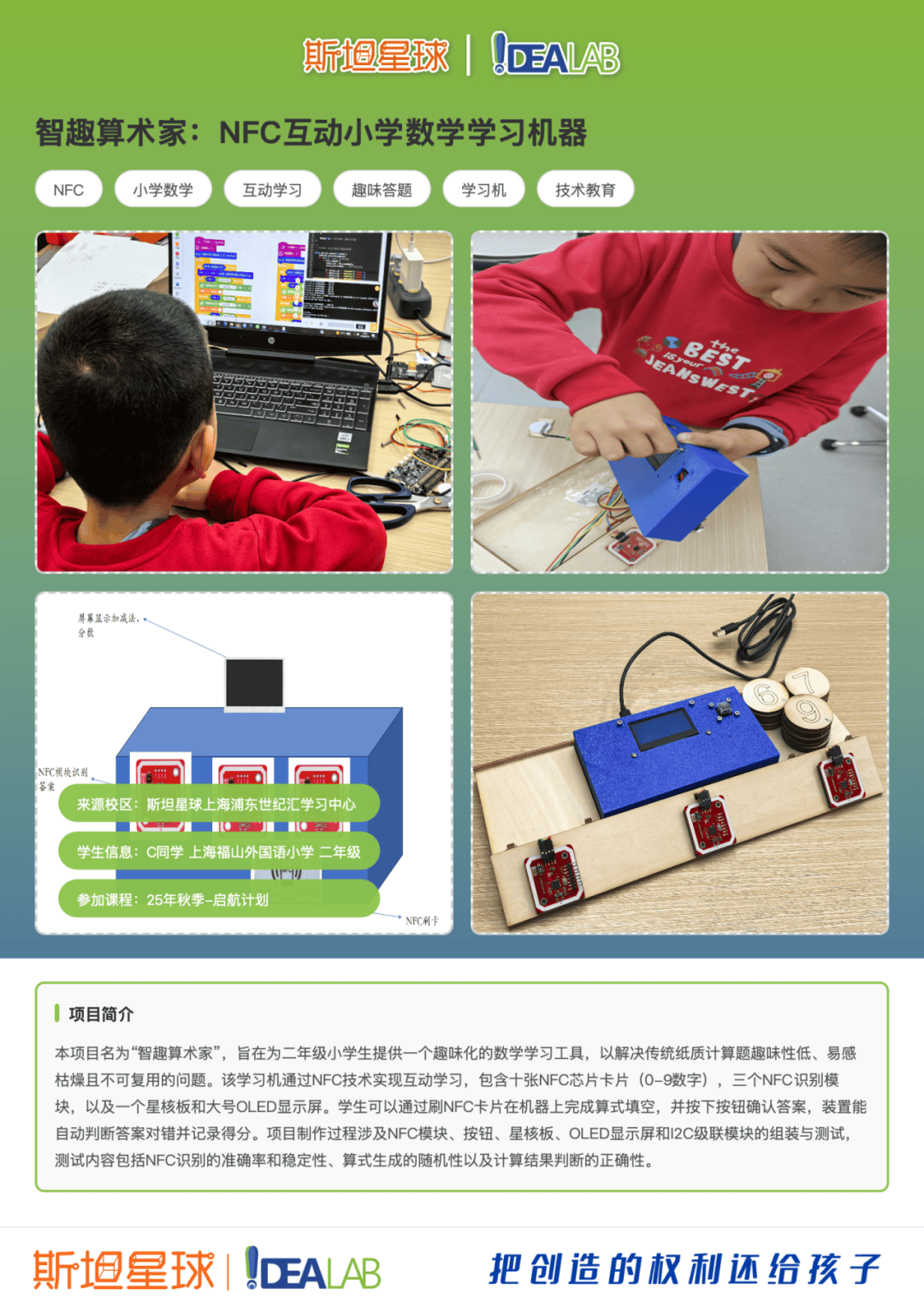
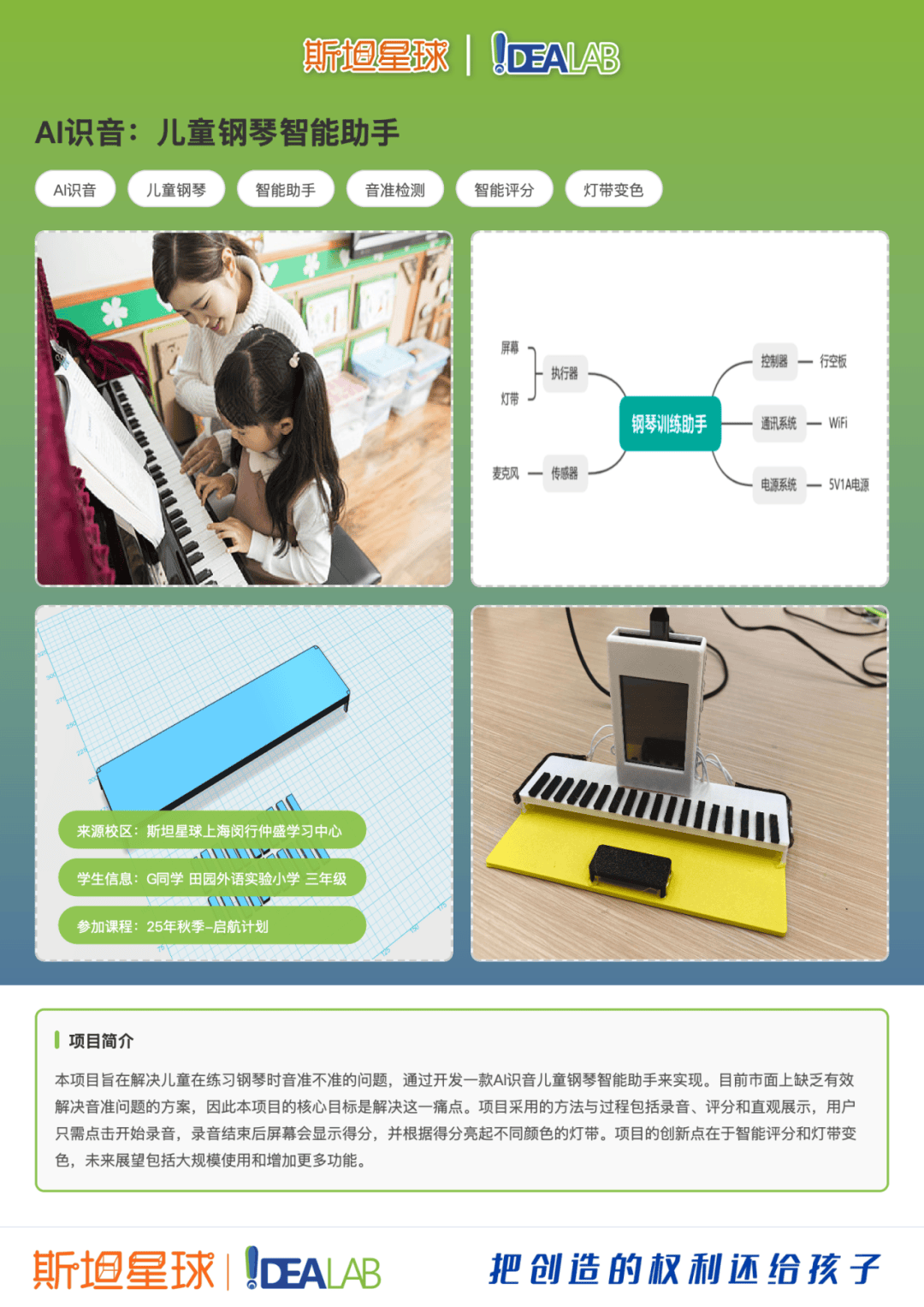
It's not just about imparting knowledge, but also about cultivating the ability to solve problems
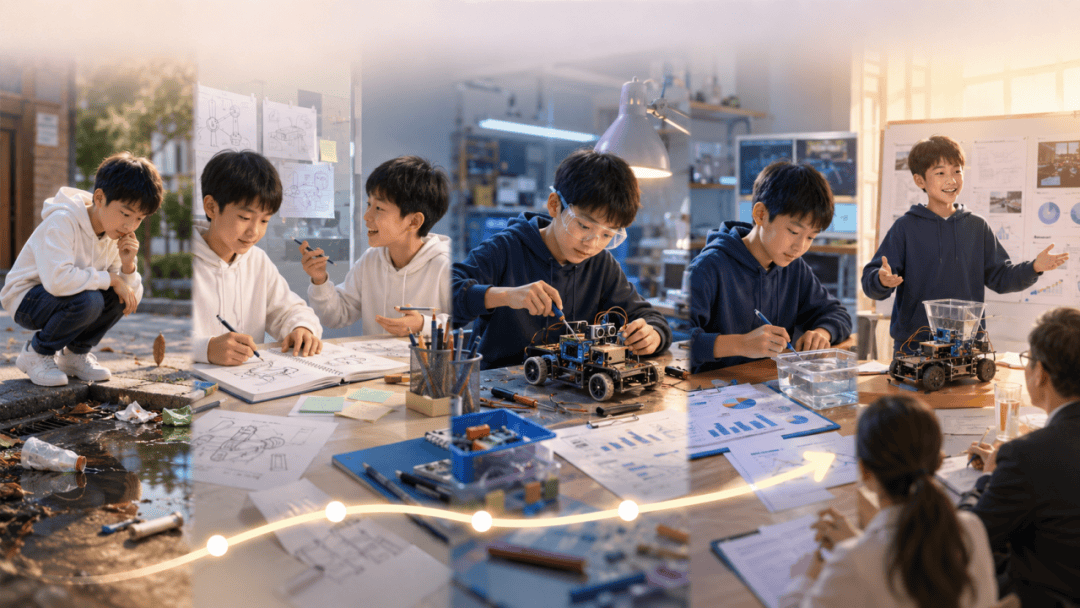
ideaLab hopes that children can experience a complete journey from "0 to 1".
From identifying problems to proposing solutions;
From hands-on making to experimental verification;
From continuous failures to repeated optimizations;
From never being able to express oneself to being able to clearly explain in front of the judges.
This process brings to children not just a specific skill, but a way of thinking when facing unknown problems.
When a child solves a real problem through their own efforts, their self-confidence and sense of achievement will naturally grow. This experience is more powerful than simply listening to lectures.
It's not just about experiencing interest, but about systematic cultivation aimed at competitions and achievements
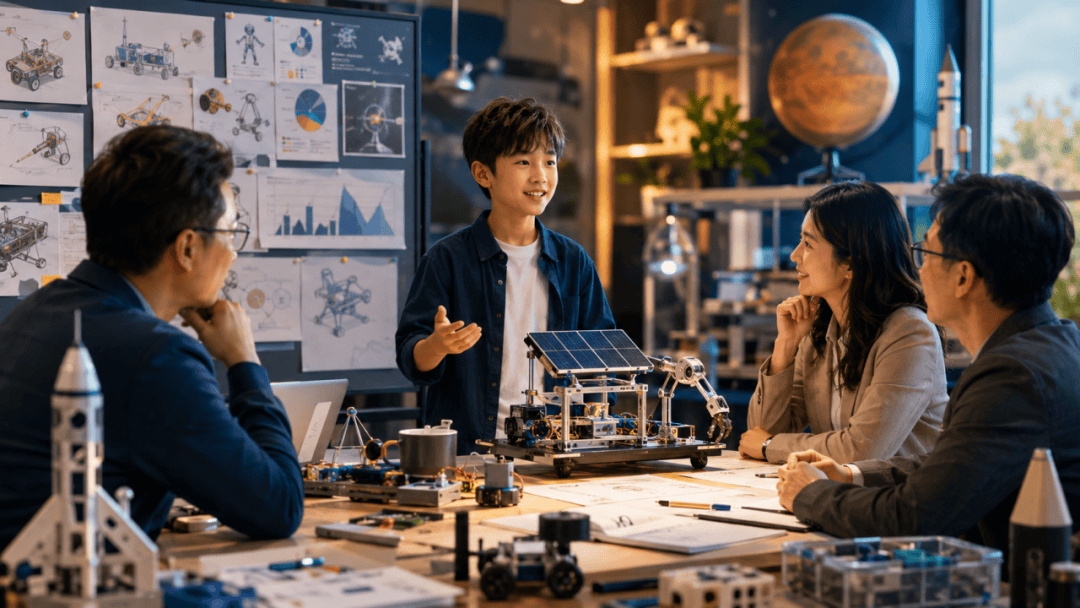
ideaLab utilizes technology innovation competitions as a crucial practical window to assist children in transforming their learning processes into tangible achievements.
This is also why many children, through their learning at ideaLab, not only enhance their practical skills, but also gradually develop more comprehensive abilities in expression, logic, research, and resilience.
There is real space and also the support of a professional coaching team
The IdeaLab Innovation Lab features a hands-on creation area, an exchange and sharing area, a work display area, a processing and manufacturing area, a tool and consumables area, an intelligent multimedia area, and a personalized learning area, providing children with a comprehensive maker learning environment.
Meanwhile, ideaLab boasts a coaching team with interdisciplinary backgrounds, capable of supporting various types of invention projects, ranging from hardware structure, sensor application, and programming implementation, to experimental design, material writing, and competition planning, helping children turn their ideas into reality step by step.
5. When a child has their own project, they are no longer just a "student with good grades"
Under the general trend of AI, knowledge acquisition is becoming easier and tool usage more convenient. What truly sets children apart is their ability to ask questions, solve problems, and articulate their findings clearly.
Future children should not only be able to answer questions,You also need to be creative;
One should not only focus on completing tasks,One must also be able to define problems;
One should not only show certificates,You should also be able to clearly articulate what you have truly accomplished.
This is exactly what STEM STAR ideaLab aims to help children accomplish.
We hope that every child can start from a real problem, experience a creation journey from scratch, and create a masterpiece that truly belongs to them.
This representative work could be an invention, a research report, a set of intelligent devices, or an unforgettable growth experience.
But more importantly, children will discover in this process:
I can also put forward my own ideas;
I realized that I could actually make it myself;
I realized that I could also use technology to solve real problems.
This is the true value of science and innovation education.
 TikTok
 WeChat Official Account
 Headline