WeChat Official Account
WeChat Official Account
 APP Download

Scan the QR code Download the STEM STAR APP
With the rapid development of artificial intelligence, more and more children are beginning to learn Python programming. Some children even start to learn Python from the second or third grade.
STEM STAR has found that many Python courses available in the market do not align with children's developmental characteristics and cognitive levels. Moreover, current Python courses primarily focus on software programming and do not cover hardware applications.
Against this backdrop,STEM STAR's newly upgraded Python AI course brings revolutionary Python learning to students, introducing them to artificial intelligence!
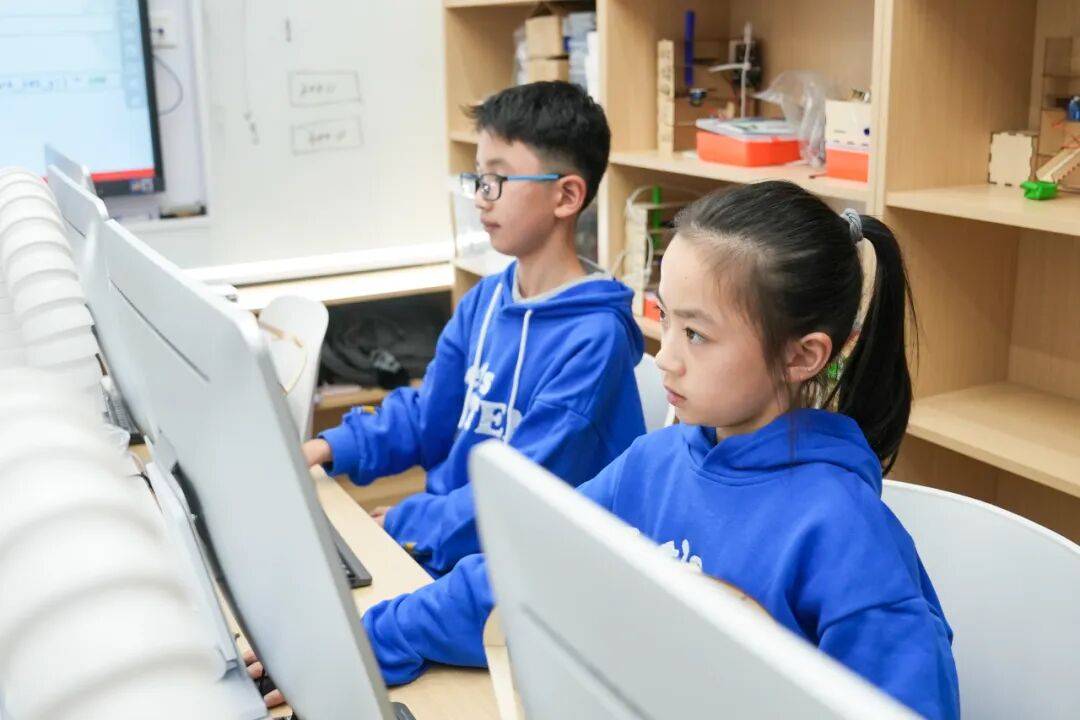
Let's take a look at what highlights there are in STEM STAR's Python AI course
01 What distinguishes the STEM STAR Python AI course?
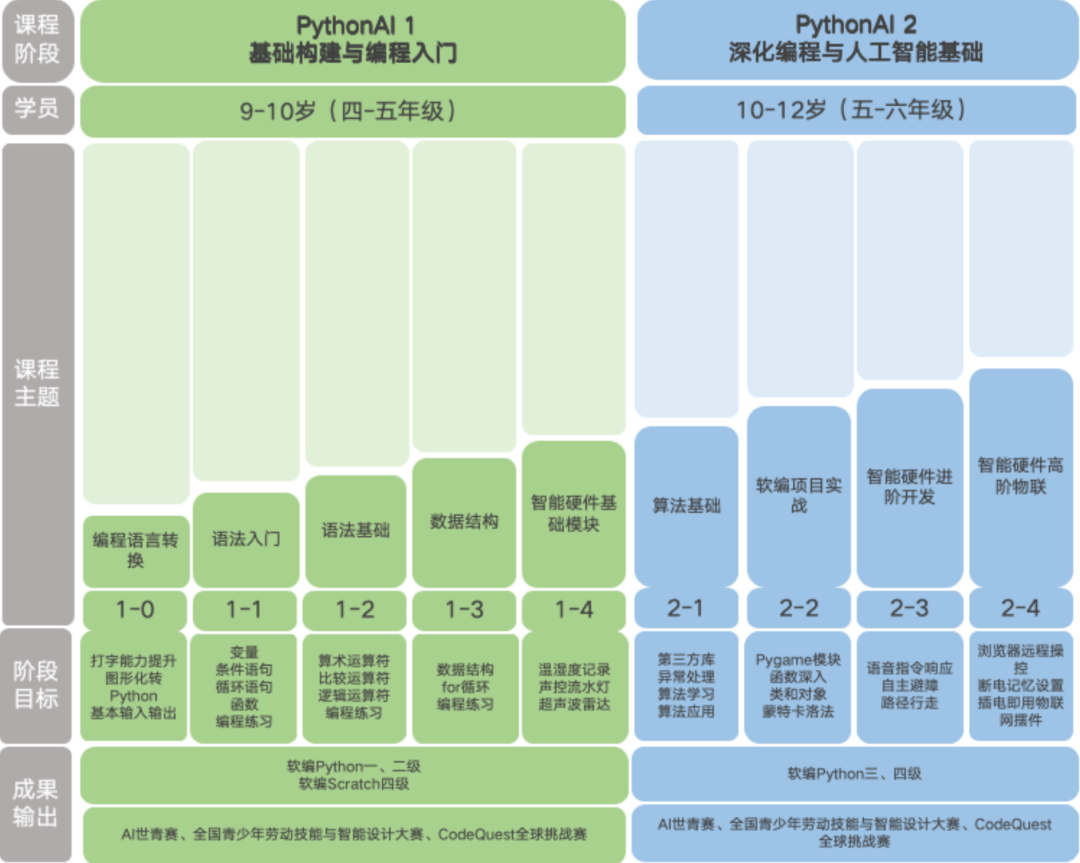
The STEM STAR course Python AI is suitable for children aged 9-14, with a total of 4 stages,Fully refer to the national AI curriculum design standards and proceed step by step.
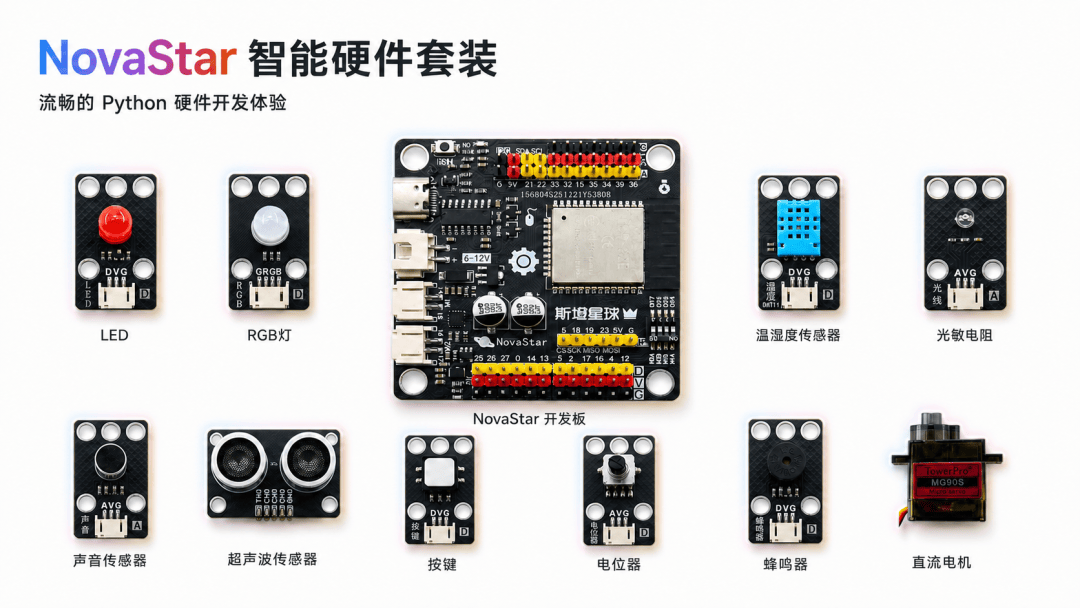
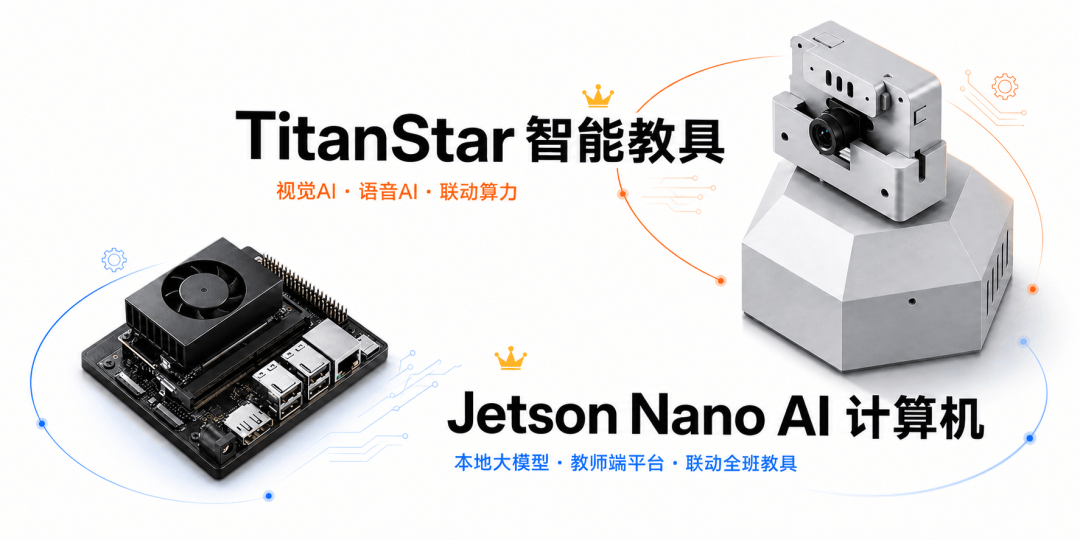
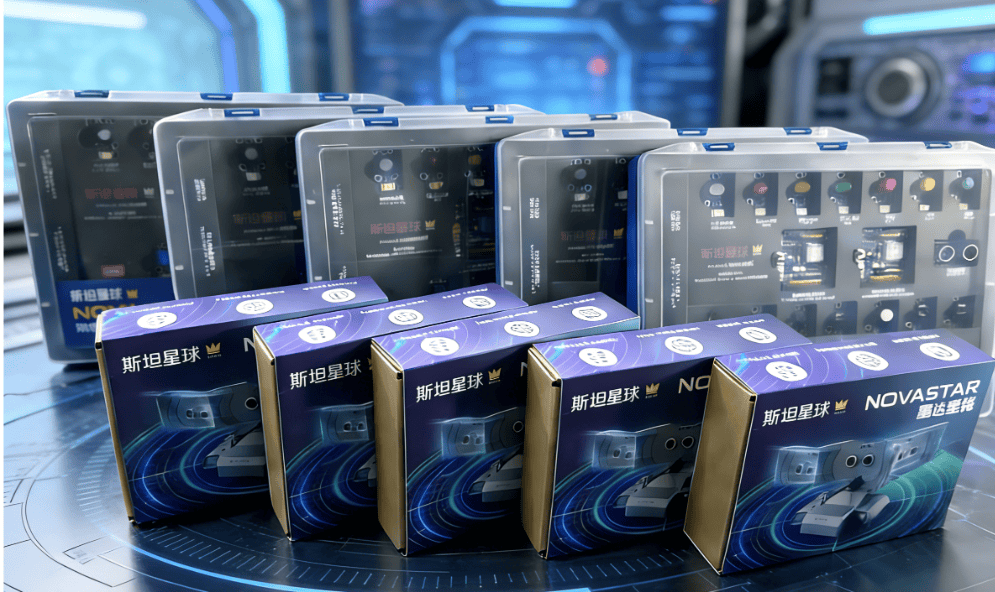 ▲Display of some self-developed hardware
In general, the Python AI course for artificial intelligence has the following highlights:
⭐Python & Artificial Intelligence, combining software and hardware
⭐From principle to practical output, growth is visible
⭐PBL project-based learning, interdisciplinary knowledge system
Such courses are more practical and interesting for children, and they can master more comprehensive abilities and acquire more comprehensive knowledge. When participating in competitions, the perspectives they consider and the dimensions of their thinking will also become broader and deeper, with obvious advantages!
Next, let's take a look at what Python AI 2 actually teaches?
02 What will you learn in the Python AI 2 course?
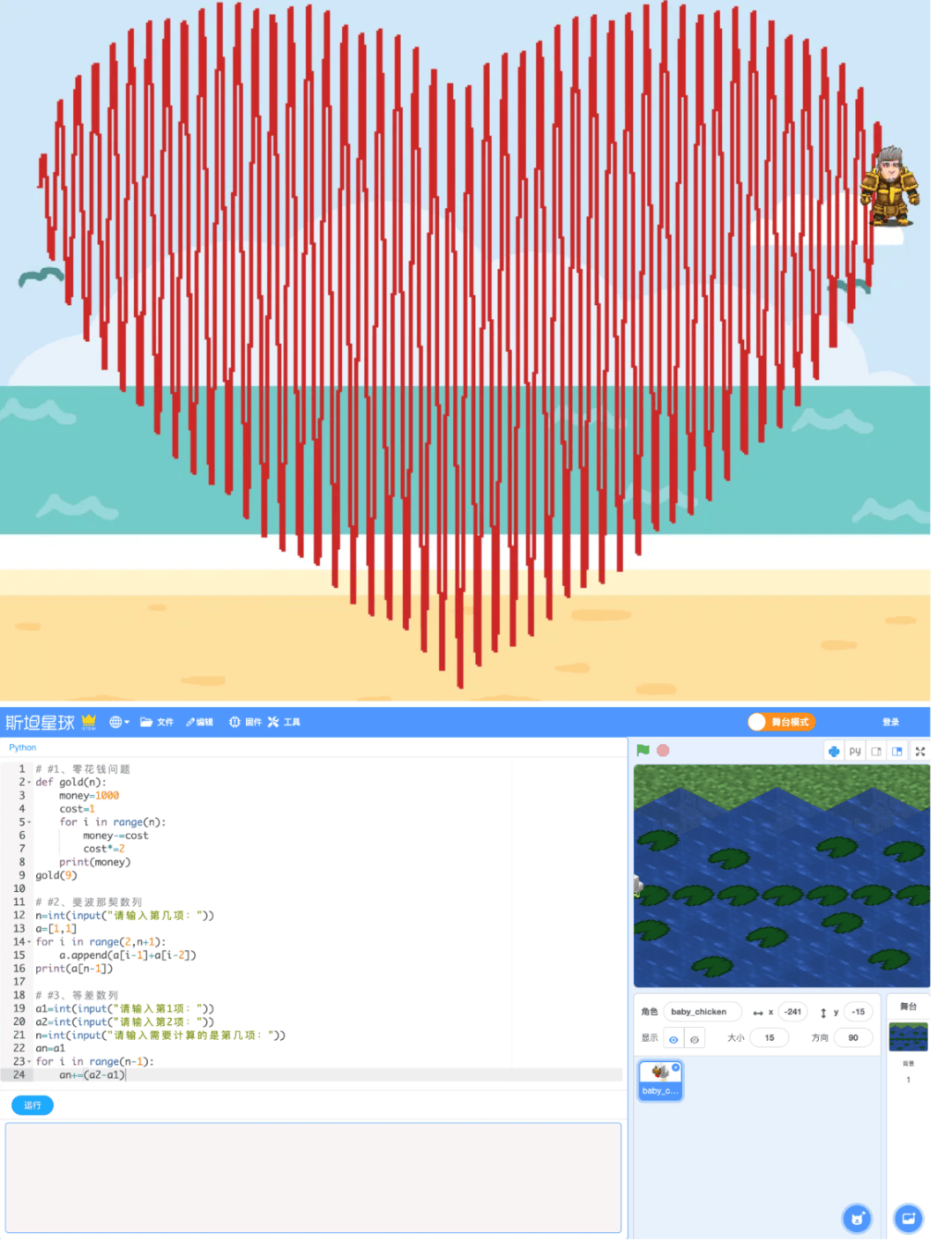
The STEM STAR Python AI 2 course consists of four stages,The first two stages will involve in-depth learning of Python's built-in librariesUnderstanding and application of basic knowledge such as Python syntax and algorithms.
The latter two stages primarily revolve around smart hardwareUsing Python programming to create a project that integrates both software and hardware, aiming to solve real-life problems and foster children's practical skills and innovative thinking.
Through phased learning, children can not only enhance their programming skills but also broaden their horizons, understand cutting-edge applications of intelligent hardware, and prepare for future technological innovations.
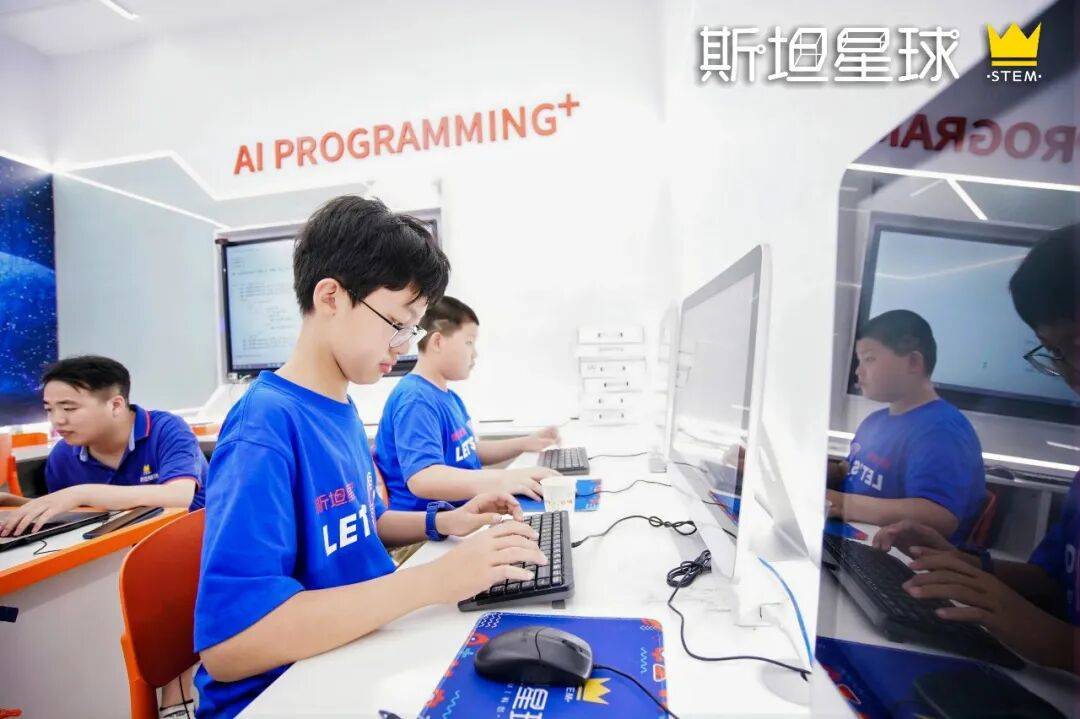
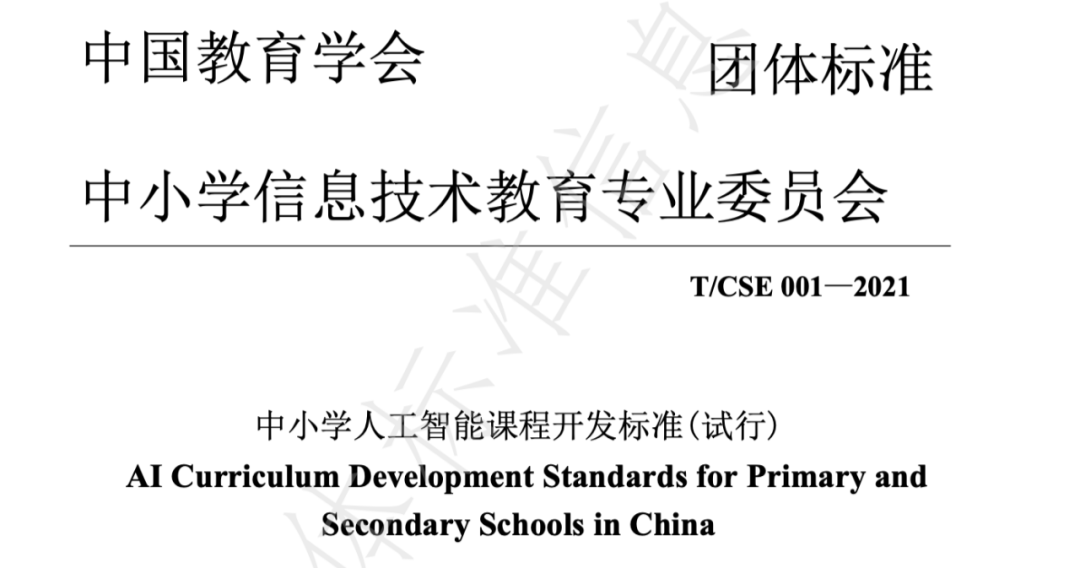
The Python AI 2 course will progress from advanced programming to practical applications, gradually delving into the field of computer visionLay a solid foundation in AI technology for students. Through learning across diverse AI sectors, children will master various technological applications, preparing them for future innovation and development.
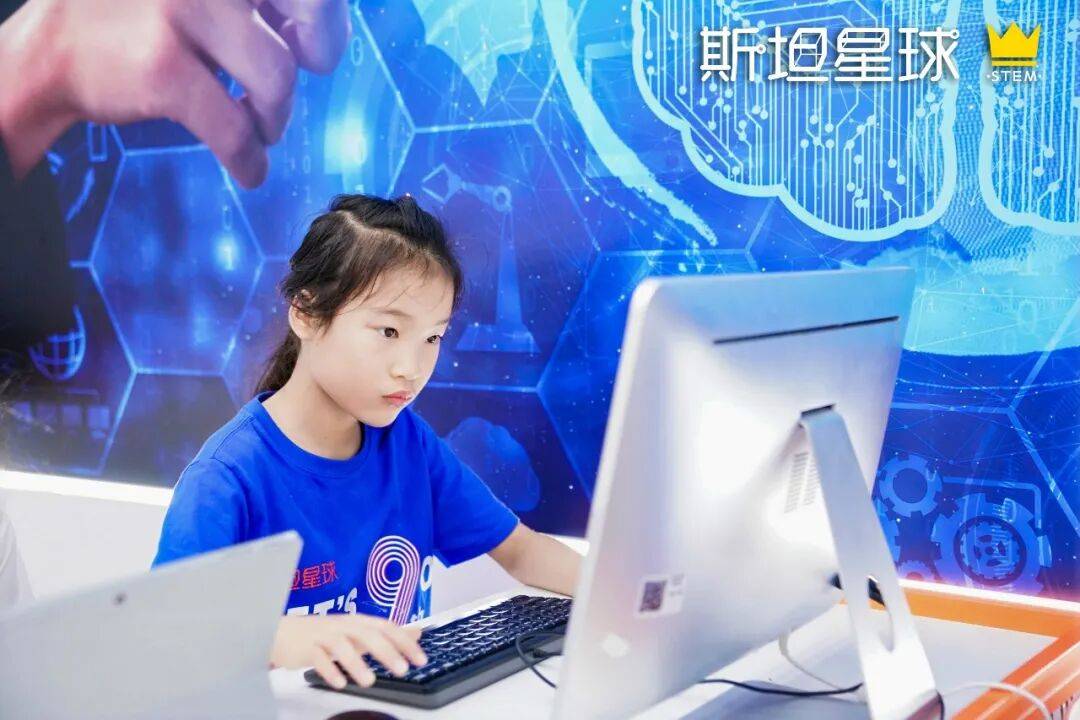
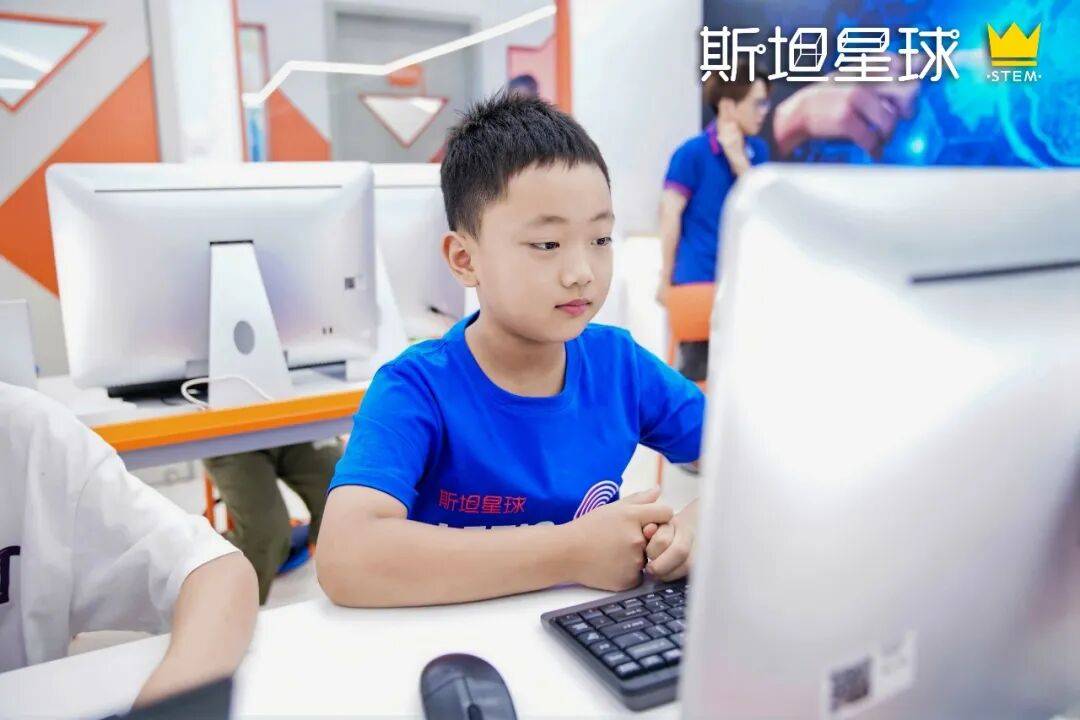
Each class covers 6-8 knowledge points
Practice comprehensive knowledge points to lay a solid foundation
The PBL (Problem-Based Learning) project-based teaching method enhances understanding and fosters innovation
The combination of software and hardware stimulates children's interest in learning
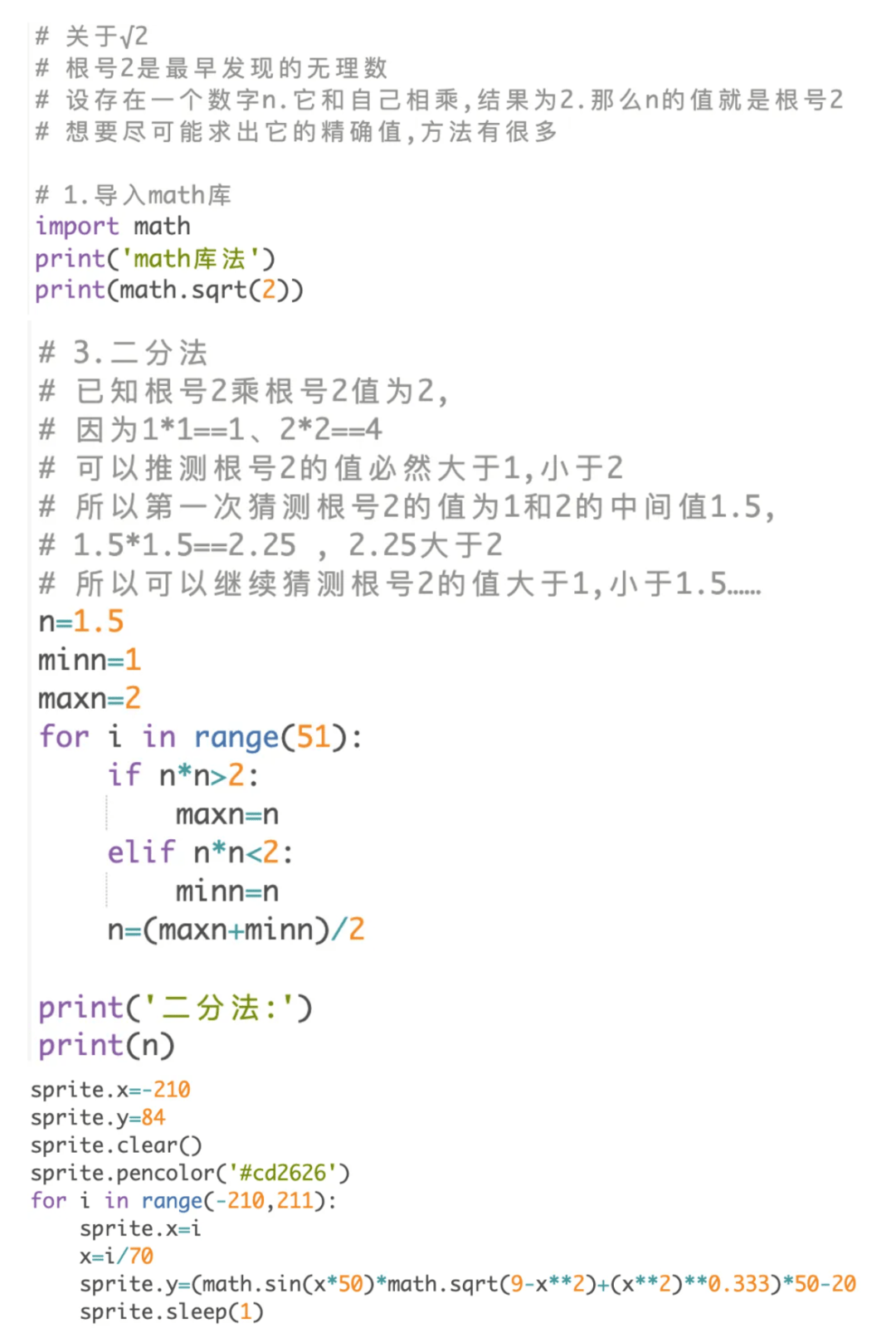
② Python AI 2-2: Practical Soft Development Project
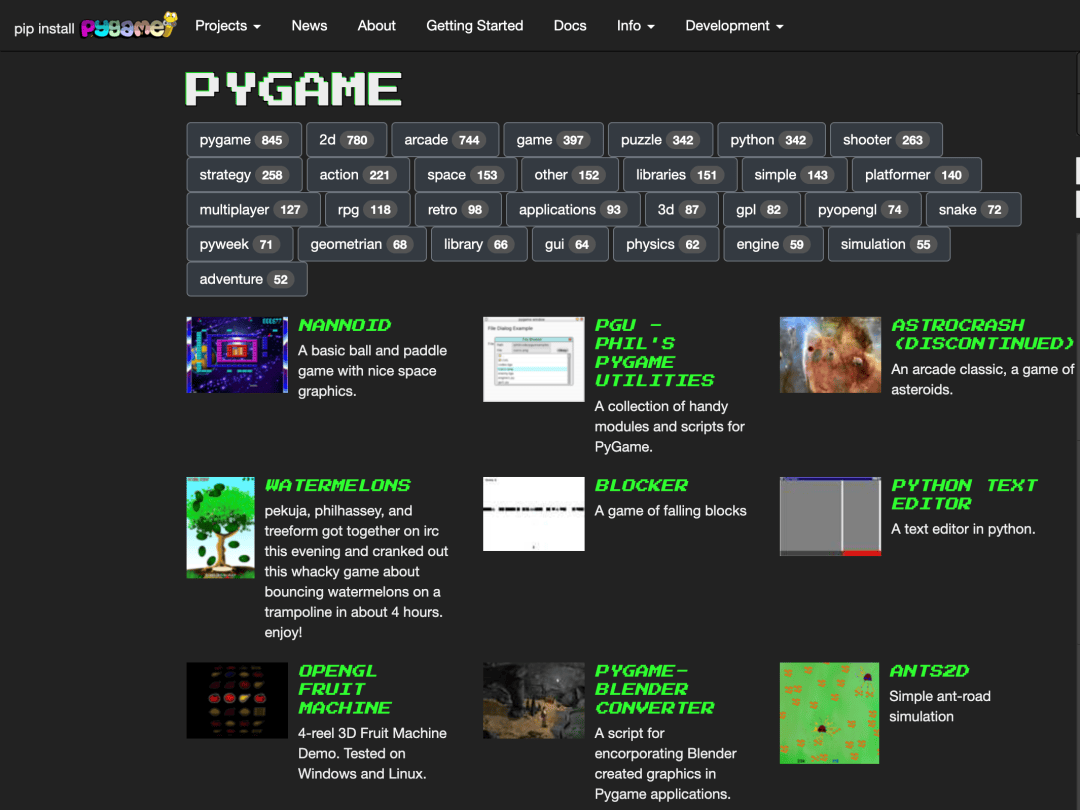
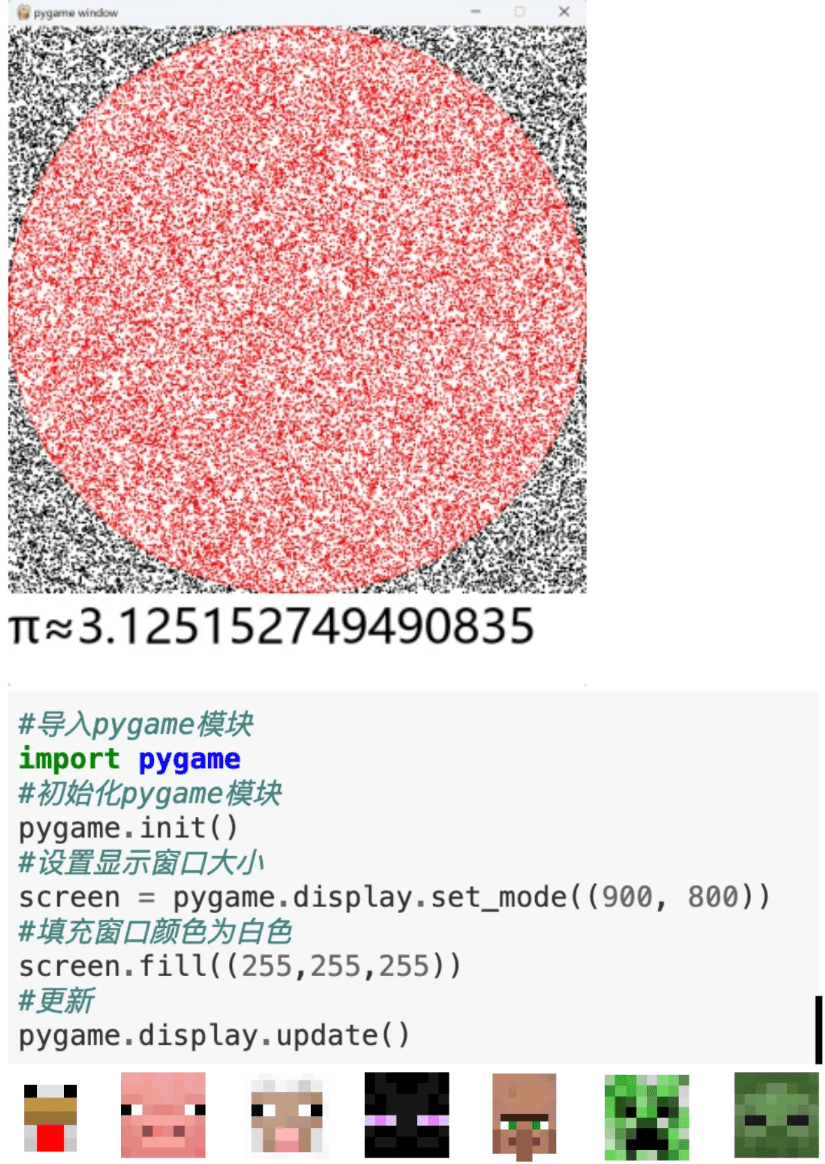
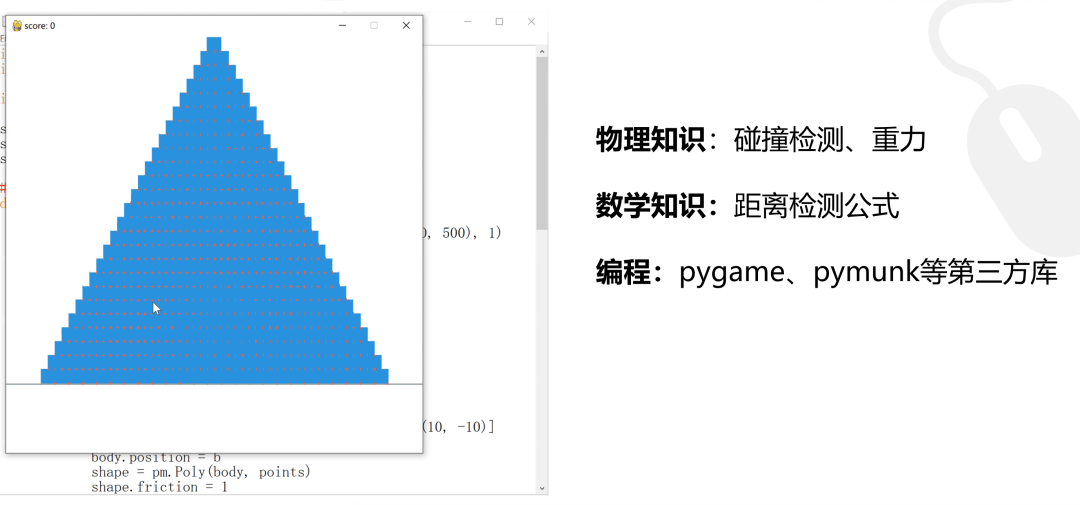
In the second stage, we will primarily utilize the Pygame module to complete comprehensive programming projects, such as electronic report cards, bullet screen generators, and small games. We will employ the PBL (Project-Based Learning) teaching method to enhance comprehension, application, and innovation. We will use the Pygame library to create graphical interfaces, implement keyboard and mouse interactions, and realize project mechanisms. We will integrate mathematical and physical knowledge to optimize the project outcomes.
③ Python AI 2-3 Advanced Development for Smart Hardware
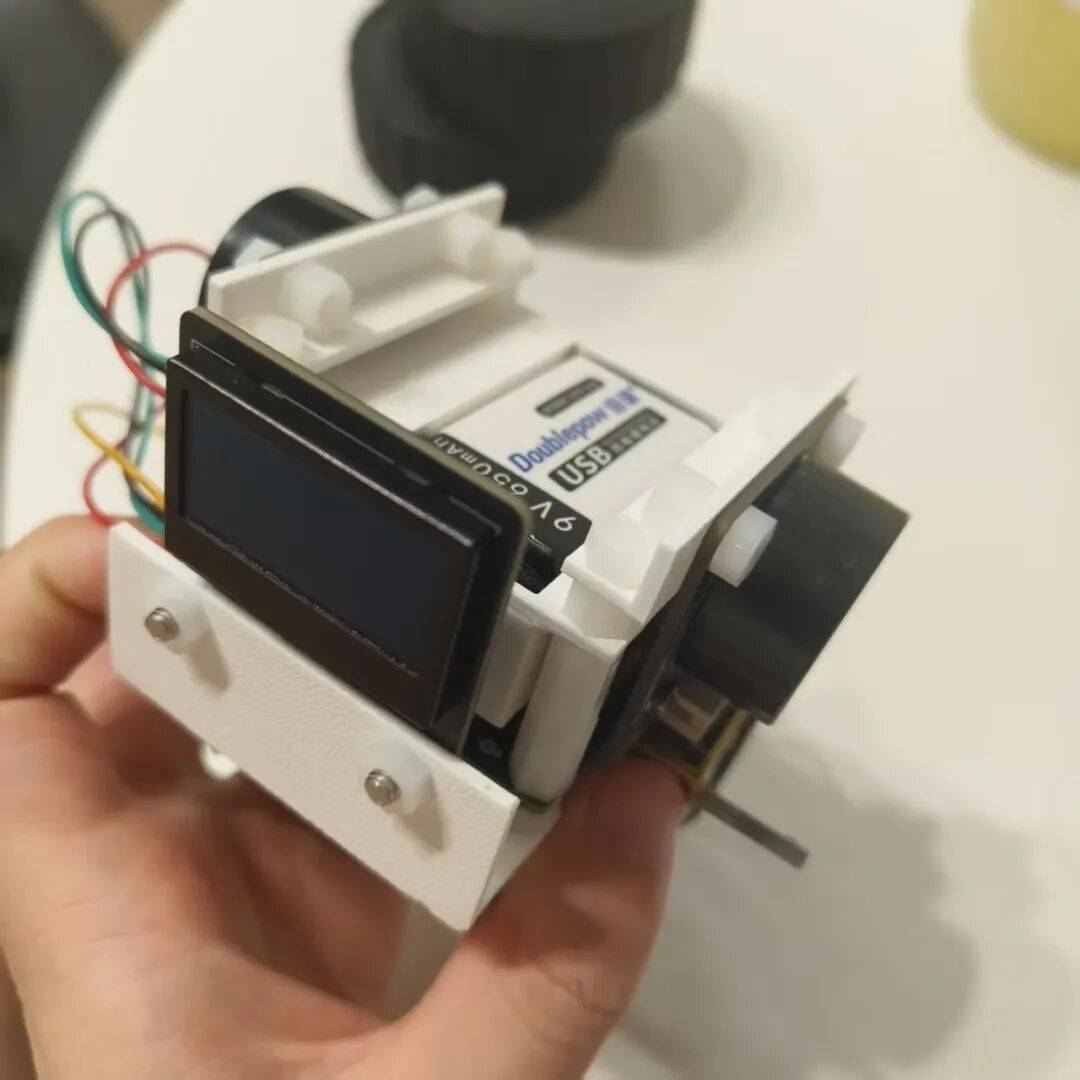
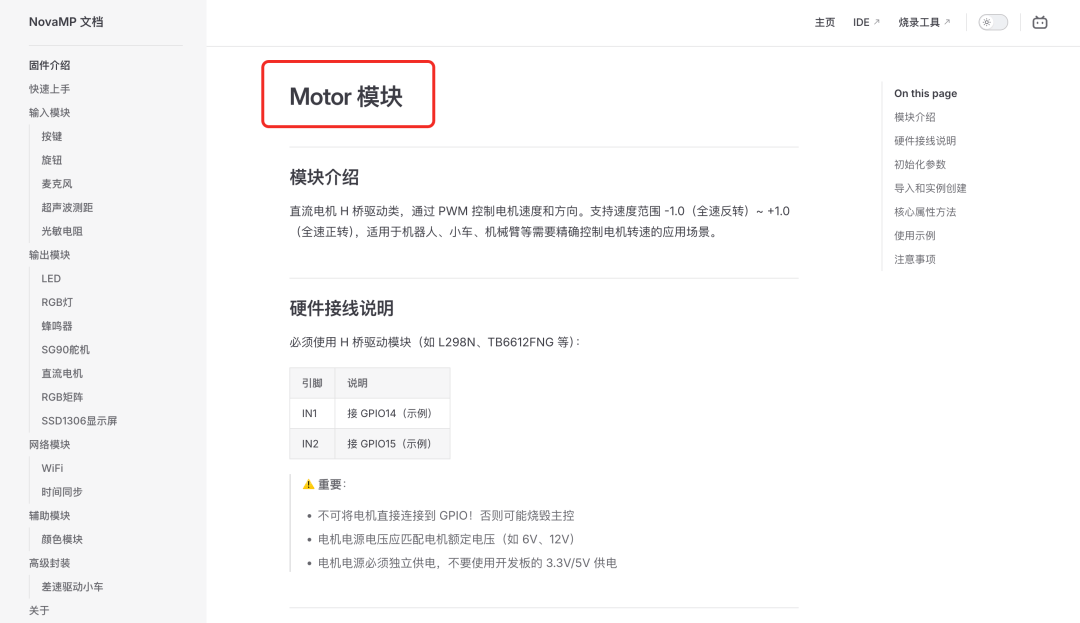
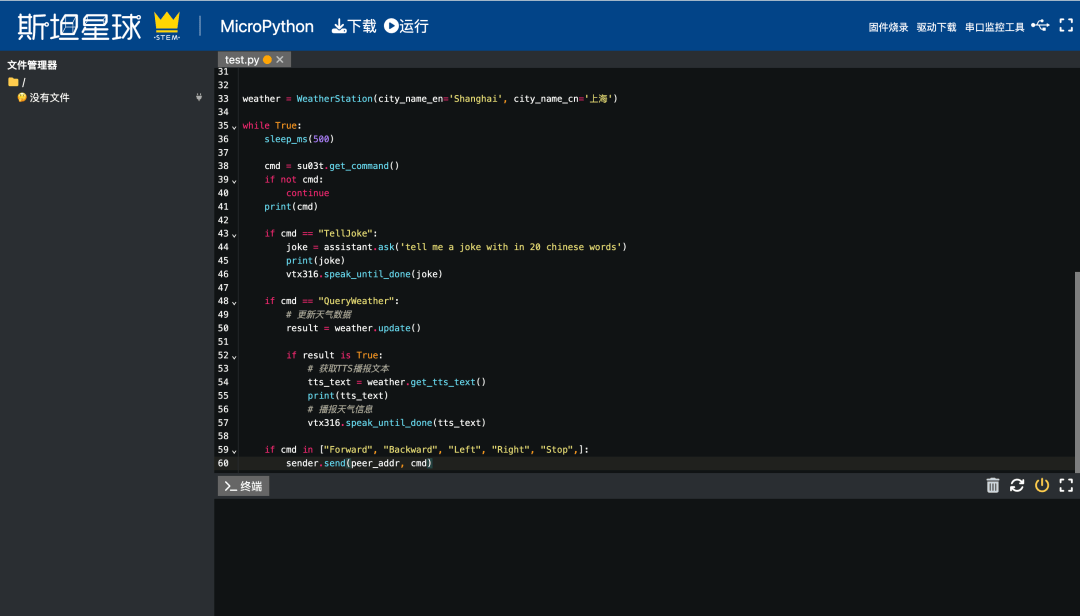
The third stage involves advanced development of intelligent hardware, where students will delve into the field of robot development. Beginning with an understanding of the mechanical structure and hardware composition of two-wheeled robots, students will gradually learn cutting-edge technologies such as display interaction design, expression management and state machines, network connectivity and ESPNOW communication, speech recognition and TTS (Text-to-Speech) conversion, and GPT Agent integration. Ultimately, through knowledge of sensor fusion navigation, motor closed-loop control, and other related topics, students will complete a fully functional intelligent robot project.
④ Python AI 2-4: Advanced IoT for Smart Hardware
The fourth stage is advanced IoT for smart hardware. Students will learn the basics of Web front-end development (HTML, CSS, JavaScript), master the setup and use of miniWeb servers, and learn network requests and data parsing. Through creating pixel light box projects (digital countdown, scrolling letters, icon display, animation effects, etc.), students will achieve remote control of hardware devices through Web interfaces, experience the charm of IoT, and combine programming with network technology.
takePython AI 2-2 In several of these cases, children not only learn Python programming knowledge in the classroom, but also acquire knowledge of physics and mathematics.
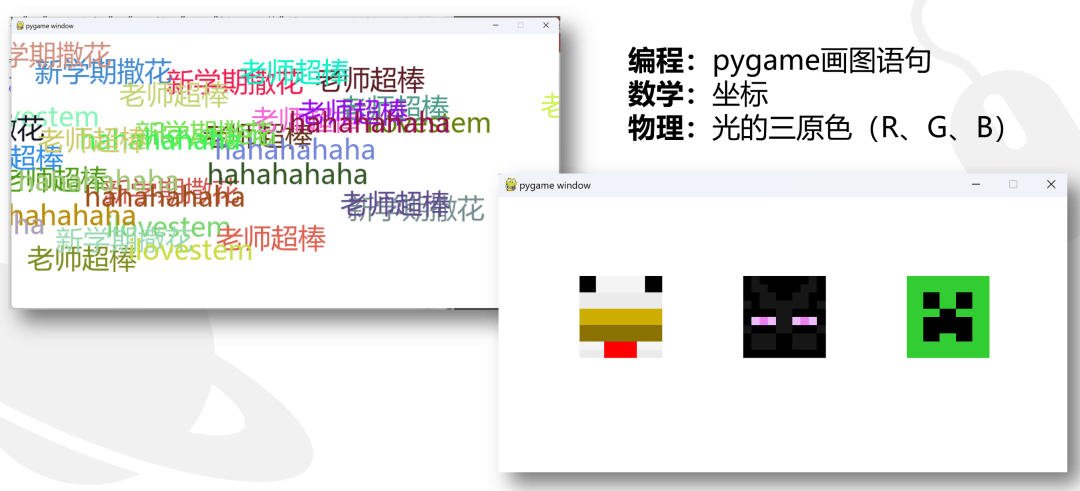
Through such interdisciplinary and integrated learning,Children can not only consolidate and expand their subject knowledge through programming practice, but also cultivate their innovative thinking and problem-solving abilities.
Only through such integrated interdisciplinary learning can children learn more and deeper, achieve mastery, and put what they have learned into practice!
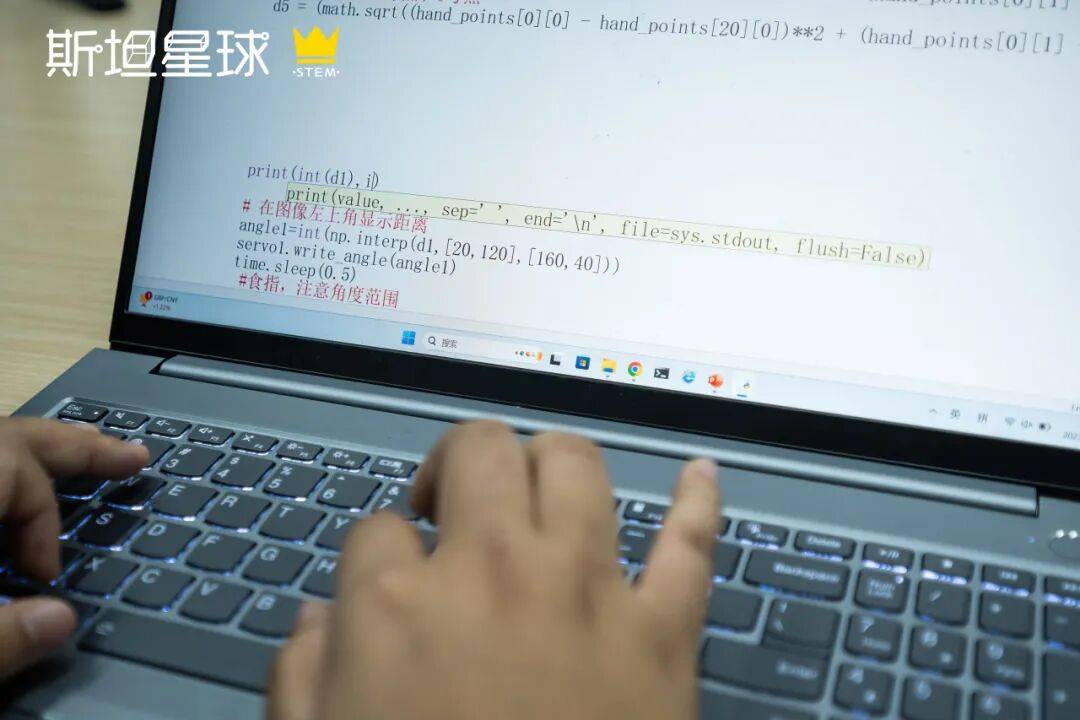
With the increasing knowledge of Python programming, artificial intelligence, and scientific innovation, children can participate in the following activitiesHigh-quality competitionPut what you have learned into practice and use competition awards to help children grow!

[Event Introduction]
The National Youth Labor Skills and Intelligent Design Competition, hosted by the China Association for Automation, is an event that emphasizes the integration of AI (Artificial Intelligence) with agricultural production. It is dedicated to cultivating young people's diverse thinking, innovation ability, and comprehensive quality. The competition not only assesses children's logical thinking and algorithmic thinking, but also aims to let them experience the joy of AI empowering reality through the competition, and apply advanced technology to practical life and labor production!
[Recruitment target] Grades 4-9
[Event Introduction]
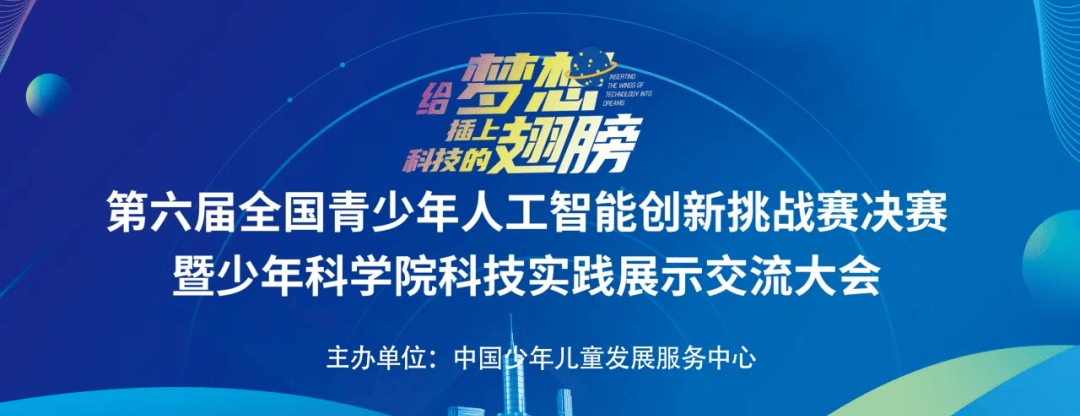
The National Youth Artificial Intelligence Innovation Challenge is a nationwide competition hosted by the China Youth Development Service Center. Each year, over 50,000 youth representatives participate in it. These students demonstrate comprehensive development in their overall qualities, particularly excelling in AI technology learning and innovation.
[Recruitment target] Grades 4-9

[Event Introduction]
The China Soong Ching Ling Foundation established the "Soong Ching Ling Children's Invention Award" in 2001. This competition is a youth science and technology activity approved by the Ministry of Science and Technology.
Co-hosted by the China Soong Ching Ling Foundation and the China Invention Association, the event has successfully held 18 rounds of selection and awarding activities, with over 1 million primary and secondary school students participating. The award-winning experiences will be recorded in students' files.
[Recruitment target] Grades 3-9
Through innovative practices in these high-quality competitions, children can gain a deeper understanding of programming, enhance their innovative thinking in the application of artificial intelligence technology, win awards and honors, and become proficient in AI at an early age!

 TikTok
 WeChat Official Account
 Headline